
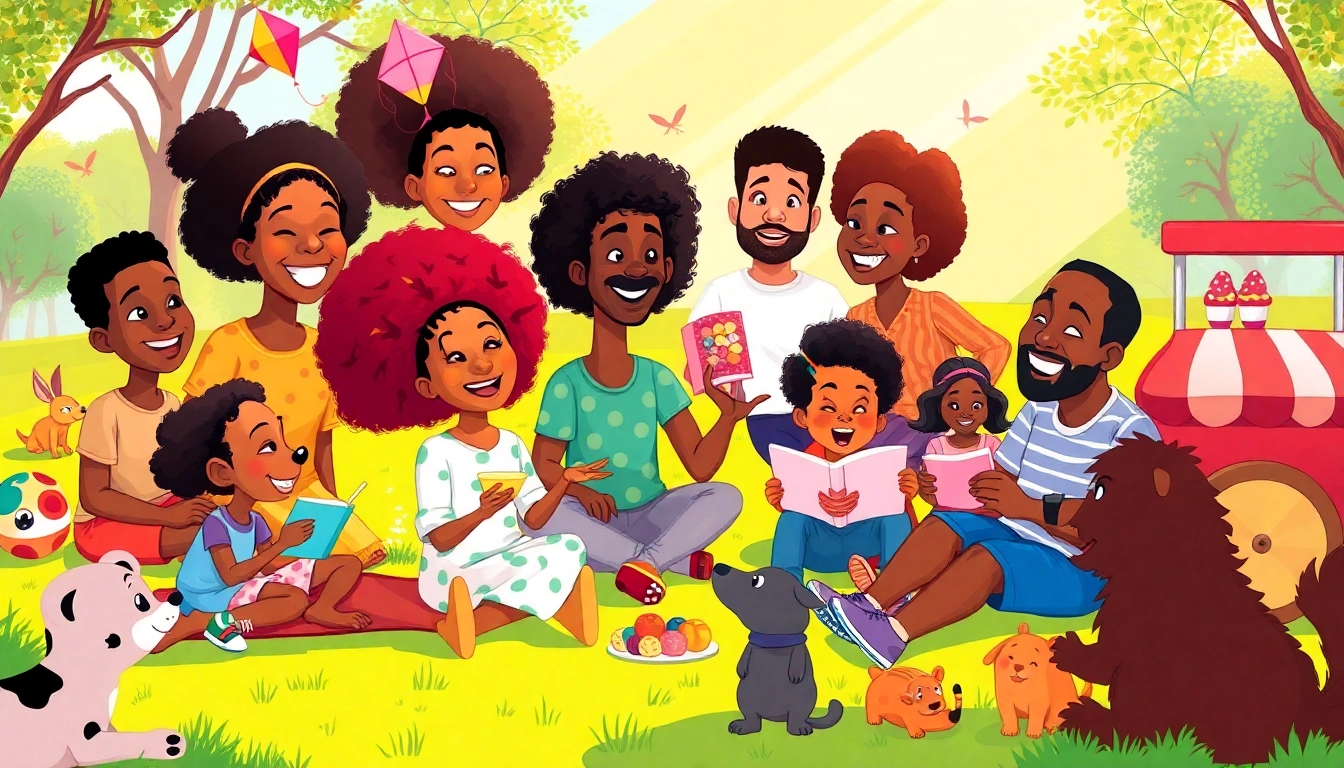
The Impact of African American Cartoons on Culture
Animation has always been a powerful medium, capable of transcending age and cultural barriers. African American cartoons have uniquely contributed to this landscape, blending humor and poignant social commentary to reflect the experiences of Black individuals and communities. Their significance extends beyond entertainment; they have paved the way for larger discussions about representation in media and the importance of narrative diversity. For those seeking to explore the breadth of this art form, platforms like African American Cartoons offer a wealth of content.
Historical Significance of Animation
Since the early days of animation, African American voices have sought representation. From “Bebe’s Kids” to “The Boondocks,” these productions highlight the myriad narratives that speak to both historical injustices and contemporary realities. Historically, animation was a medium dominated by Eurocentric narratives, but the infusion of African American culture has helped challenge stereotypes and promote inclusivity. These cartoons often serve as a lens through which viewers can gain insight into the African American experience, instilling a sense of pride and identity.
Influence on Youth and Representation
The influence of African American cartoons on youth cannot be overstated. Shows like “The Proud Family” and “Doc McStuffins” not only entertain but also educate children about diversity, self-acceptance, and community values. These animated series provide relatable characters that reflect their lives and experiences, fostering a sense of belonging. This representation is crucial as it encourages young viewers to appreciate their cultural backgrounds and cultivate empathy toward others.
Celebrating Icons in Black Animation
Several iconic characters have emerged from African American cartoons, leaving enduring legacies that resonate across generations. Characters like Huey and Riley Freeman from “The Boondocks” exemplify critical social commentary through their satirical portrayals of racial dynamics. Similarly, Frozone from Pixar’s “The Incredibles” showcases the importance of positive representation in mainstream animation, embodying traits of bravery and heroism.
Top African American Cartoons to Watch in 2026
As we step into 2026, a fresh wave of African American cartoons is set to capture hearts and minds. Here’s a selection of must-watch shows and films that highlight diverse storytelling.
Must-See Series for Kids and Families
- “Kazoops!” – This imaginative series follows a young boy and his pet pig as they embark on whimsical adventures, promoting creativity and critical thinking.
- “The Proud Family: Louder and Prouder” – A continuation of the beloved classic that tackles modern social issues while celebrating Black culture.
- “Craig of the Creek” – Featuring a diverse cast of characters, this show explores friendship and adventure, encouraging kids to engage with their environment in meaningful ways.
Groundbreaking Animated Films
- “Soul” – A unique exploration of life and purpose that resonates with audiences of all ages, highlighting jazz culture and the African American experience.
- “The Princess and the Frog” – Celebrated for its rich storytelling, this film showcases the first African American Disney princess, promoting messages of resilience and hope.
- “Afro Samurai” – A darker entry into the genre, this film blends martial arts with hip-hop culture, creating a visually stunning narrative that appeals to older audiences.
Web Series Featuring Black Creators
- “Black. White.” – This groundbreaking series explores racial identity through a unique lens, using humor to expose societal issues.
- “Sugar and Toys” – An irreverent comedy that combines animation and live-action, drawing inspiration from Black youth culture.
- “The Black Experience” – A series of shorts that focus on various aspects of Black life and culture, celebrating achievements and addressing contemporary challenges.
Understanding the Themes in African American Cartoons
Delving deeper into the themes presented in African American cartoons reveals a rich tapestry of social issues, humor, identity, and heritage.
Exploring Social Issues Through Animation
Many African American cartoons serve as platforms for discussing pressing social issues such as racism, inequality, and cultural identity. Shows like “The Boondocks” use satire to critique societal norms, while “The Proud Family” addresses themes of family, friendship, and heritage. This ability to approach complex topics through animation allows for constructive conversations that might otherwise be difficult to address.
Humor and Satire in Black Cartoons
Humor is a powerful tool in African American cartoons, often used to address serious themes with levity. By incorporating comedy, creators can engage audiences while imparting important lessons. For example, “The Boondocks” employs sharp wit to confront race relations in America, making viewers laugh while prompting them to reflect on societal issues.
Lessons on Identity and Heritage
Cartoons featuring African American characters often emphasize the importance of cultural heritage and identity. Through storytelling, characters encounter situations that encourage self-discovery and deepen their understanding of their roots. This not only enriches the storyline but also affirms the significance of embracing one’s identity in a diverse world.
The Future of African American Animation
The landscape of African American animation is evolving, with exciting prospects on the horizon. Many creators are emerging, revitalizing the genre with fresh ideas and perspectives.
Emerging Talents and New Projects
The animation industry is witnessing a rise in talented Black creators who are challenging the status quo. New projects featuring diverse storytelling are set to expand the scope of representation in animation, allowing for a more inclusive portrayal of Black experiences. With platforms like YouTube and streaming services, these creators have greater opportunities to share their voices.
The Role of Streaming Services
Streaming services play a vital role in the future of African American animation. By providing a platform for diverse content, they allow creators to reach wider audiences. With the increasing demand for original programming, many streaming services are prioritizing shows that highlight Black culture and narratives, further enriching the animation landscape.
Trends for 2026 and Beyond
In 2026, we can expect to see a continuation of the trend toward inclusivity in animation. More series and films will explore the complexities of Black life, focusing on authenticity and representation. This shift not only broadens the scope of storytelling but also empowers the next generation of animators and writers to embrace their cultural identities.
Encouraging Diversity in Animation
As the animation industry grows, it is crucial to foster diversity and support Black artists within this space. Initiatives aimed at promoting representation will ensure that a variety of voices can be heard and appreciated.
Initiatives Supporting Black Artists
Organizations and programs dedicated to supporting Black artists are crucial for nurturing talent in animation. Mentorship opportunities, workshops, and scholarship programs can provide aspiring animators with the resources needed to succeed. Such initiatives empower individuals to tell their stories through animation, enriching the medium as a whole.
How to Get Involved in Animation Projects
Anyone interested in making a difference in the animation industry can get involved by participating in local initiatives, attending workshops, or supporting projects that focus on Black narratives. Engaging with online communities can also help facilitate connections and collaborations within the industry.
The Importance of Representation in Media
Representation in media is essential for fostering understanding and empathy among diverse audiences. African American cartoons play a significant role in this process, offering narratives that challenge stereotypes and promote cultural appreciation. By celebrating Black stories, these cartoons contribute to a more inclusive media landscape.

