
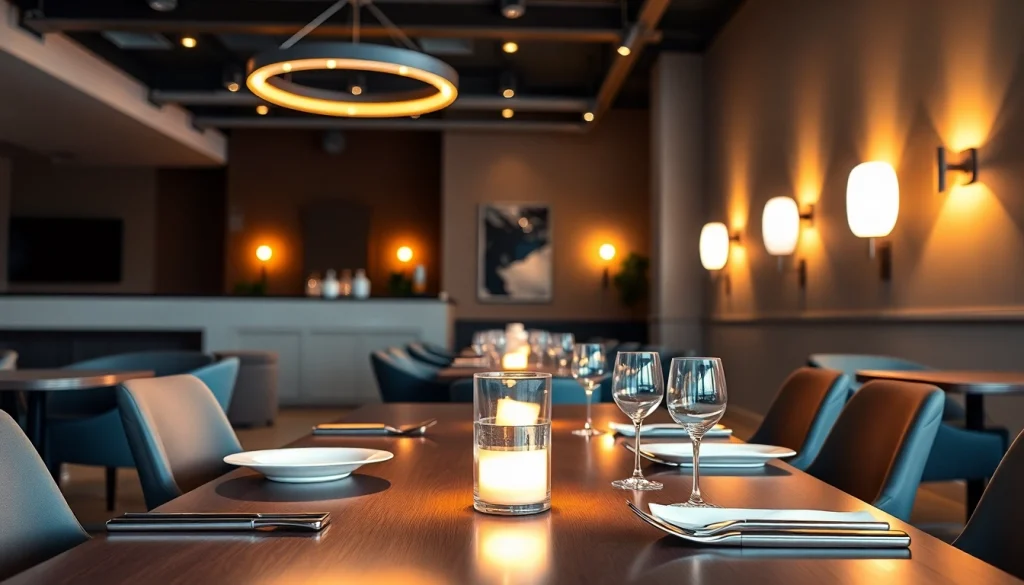
Understanding Sleek Illumination
What is Sleek Illumination?
Sleek Illumination is a contemporary approach to lighting that emphasizes minimalism and elegance. It focuses on clean lines, innovative designs, and energy efficiency while providing maximum aesthetic appeal. This type of lighting goes beyond mere brightness; it intertwines functionality with art, enhancing the visual aspects of any space. These carefully curated lighting solutions can transform environments into inviting spaces that evoke emotion and comfort.
The Importance of Effective Lighting
Effective lighting plays a crucial role in both aesthetic appeal and functionality across various spaces. It greatly influences mood, productivity, and even safety. In residential settings, the right lighting can create a warm, inviting atmosphere, while in commercial spaces, it can enhance brand identity and improve staff performance. Therefore, understanding how to achieve effective lighting through options such as Sleek Illumination is essential for every designer and homeowner.
Key Features of Sleek Illumination
Sleek Illumination incorporates several key features that distinguish it from traditional lighting solutions:
- Minimalist Design: Emphasizes simplicity with sleek lines and unobtrusive elements.
- Versatility: Suitable for various applications including residential, commercial, and outdoor spaces.
- Energy Efficiency: Utilizes LED technology to reduce energy consumption and enhance sustainability.
- Smart Features: Often includes adjustable brightness, color temperature settings, and smart home integration capabilities.
- Aesthetic Appeal: Enhances the visual environment, allowing light to become part of the decor.
Designing with Sleek Illumination
Choosing the Right Fixtures
When designing with Sleek Illumination, selecting the right fixtures is vital. Consider factors such as scale, light output, and style. For example, pendant lights in a kitchen can create focused task lighting while also serving as an eye-catching design element. Wall sconces offer both practicality and style, making them perfect for hallways or living rooms. Additionally, recessed lighting can provide unobtrusive illumination, facilitating an open and spacious feeling.
Incorporating Natural Light
Natural light is a fundamental component of an effective lighting design. It creates a dynamic and adaptable atmosphere that changes throughout the day. To maximize natural light, consider using wide windows, skylights, or open floor plans that allow light to flow freely. Combining natural light with Sleek Illumination can produce a balanced lighting scheme that enhances the overall aesthetics and functionality of a space.
Balancing Brightness and Ambiance
Achieving the right balance between brightness and ambiance is essential for creating inviting spaces. Consider using layered lighting strategies that include ambient, task, and accent lights. Ambient lighting provides overall illumination, task lighting focuses on specific activities, and accent lighting highlights architectural features or art pieces. Adjusting brightness levels can transform a space from vibrant and lively to calm and serene, depending on the time of day and the desired mood.
Applications of Sleek Illumination in Different Spaces
Residential Lighting Solutions
Sleek Illumination is particularly beneficial in residential settings where personal style and comfort are priorities. In living rooms, a combination of floor lamps, pendant fixtures, and wall sconces can create a warm environment. In kitchens, focused ceiling fixtures can brighten work areas while adding style. Bedrooms can benefit from bedside lamps with adjustable lighting to promote relaxation and bedtime reading.
Commercial and Office Environments
In commercial settings, Sleek Illumination can enhance productivity and employee satisfaction by fostering an engaging environment. Open office designs benefit from ambient lighting that avoids harsh shadows, while individual workstations can incorporate task lighting that caters to specific needs. Furthermore, using smart lighting systems allows for customizable environments that can adjust according to the time of day or occupancy levels.
Outdoor Spaces and Landscaping
Outdoor lighting is essential for safety and aesthetics. Sleek Illumination can enhance landscapes, gardens, and patios by highlighting paths with subtle ground lighting and illuminating trees or structures with accent lights. Solar-powered fixtures can also be integrated into outdoor designs, providing energy-efficient solutions that are both stylish and functional.
Common Challenges with Sleek Illumination
Overcoming Design Limitations
While Sleek Illumination is versatile, it can present design limitations. For example, in small spaces, oversize fixtures can overwhelm the room. Maximizing the effectiveness of Sleek Illumination involves selecting appropriately scaled fixtures and utilizing multi-functional lighting solutions to optimize space without sacrificing style.
Dealing with Energy Efficiency
Energy efficiency is an ongoing concern in lighting design. Sleek Illumination addresses this challenge with LED technology, which consumes less energy and has a longer lifespan than traditional bulbs. Using dimmers, motion sensors, and smart timers further enhance energy efficiency, enabling users to maintain ecological consciousness without compromising style.
Maintaining Flexibility and Versatility
Flexibility in design is crucial, especially in multi-use spaces. Integrating adjustable or movable fixtures allows for adaptable lighting solutions tailored to different activities. For instance, track lighting can be repositioned to change the focus of the light as needed, providing versatility while maintaining the integrity of Sleek Illumination.
Measuring the Impact of Sleek Illumination
Performance Metrics for Lighting Design
To measure the success of a lighting design, performance metrics should include energy consumption, user satisfaction, and visual comfort. Combining qualitative feedback with quantitative data can provide insights into how the lighting enhances the overall experience of a space. Implementing tools such as lighting design software can help predict outcomes and facilitate adjustments as needed.
Feedback and User Experience
User experience is an essential measurement criterion for lighting design. Gathering feedback through surveys, interviews, or user testing can help identify areas for improvement. Understanding how people interact with light in a space can reveal insights about discomfort, functionality, and quality, driving future design decisions toward more intuitive and user-friendly environments.
Future Trends in Illumination
The future of illumination is leaning towards smart lighting solutions, automation, and sustainability. As technology advances, lighting systems will become more interactive, allowing for customization through apps or voice commands. Moreover, a greater emphasis on energy efficiency and eco-friendly materials will shape the development of Sleek Illumination, ensuring that it meets the demands of modern design while supporting a sustainable future.
FAQs about Sleek Illumination
1. What is Sleek Illumination?
Sleek Illumination refers to modern lighting designs that emphasize minimalism, energy efficiency, and aesthetic appeal, enhancing both function and style in various spaces.
2. How does lighting impact mood?
Lighting significantly influences mood by affecting our emotional states and perceptions of space. Properly designed lighting can create warmth or enhance productivity based on the brightness and color temperature used.
3. Can I use Sleek Illumination outdoors?
Yes, Sleek Illumination is perfect for outdoor spaces. It can enhance landscaping, pathways, and patios while ensuring safety and aesthetic appeal.
4. What are some eco-friendly lighting options?
Energy-efficient options such as LED bulbs, solar-powered fixtures, and smart timers contribute to eco-friendly lighting solutions within Sleek Illumination designs.
5. How can I measure lighting effectiveness?
To measure lighting effectiveness, assess user satisfaction, energy consumption, and visual comfort. Tools like user feedback surveys and lighting design software can aid in gathering necessary data.