
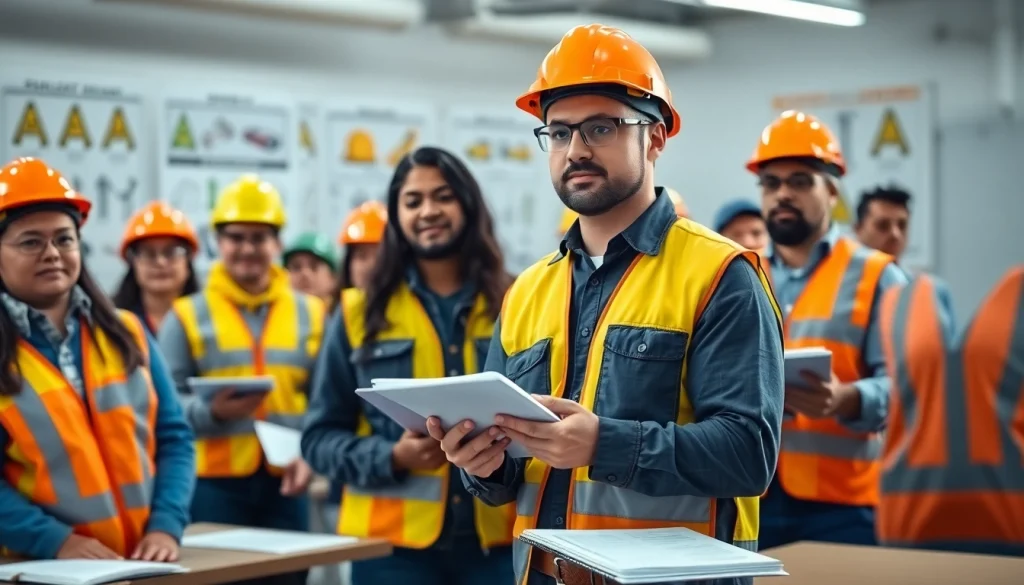
Understanding the Importance of Construction Safety Classes
Construction sites are inherently dangerous environments. To mitigate risks and protect workers, the importance of construction safety classes cannot be overstated. These classes not only equip personnel with the necessary skills and knowledge regarding safety protocols but also instill a culture of safety on a job site. When focused on safety training, construction companies can significantly reduce accidents and injuries, ensuring a more productive and compliant workforce.
Why Safety Training is Essential in Construction
Safety training is not just a regulatory requirement—it’s a fundamental aspect of workplace ethics. The construction industry is characterized by high risks, ranging from falls, and electrical shocks to equipment malfunctions. Implementing regular training programs helps in identifying and mitigating these risks effectively. Workers become more aware of their surroundings, developing an instinct for what constitutes safe practice. The education received through these courses empowers employees to take proactive measures to protect themselves and their colleagues.
Common Hazards on Construction Sites
Understanding the common hazards present on construction sites is central to effective safety training. Key hazards include:
- Falls: These are the leading cause of fatalities in construction.
- Electrocution: Contact with live wires can pose severe risks.
- Struck-by Objects: Tools or materials falling can cause significant injuries.
- Caught-in/between Hazards: Workers can get trapped in machinery or collapsing structures.
- Hazardous Materials: Exposure to toxic substances without proper PPE can lead to long-term health issues.
Addressing these hazards in safety classes prepares workers to recognize and respond to potential dangers effectively.
Legal Requirements for Safety Training
In many jurisdictions, safety training is not just advisable; it is mandated by law. Organizations such as OSHA (Occupational Safety and Health Administration) have set specific guidelines for safety training. Employers are required to provide training to ensure that all workers are aware of potential hazards and know how to handle them. Failure to comply with these regulations can result in significant fines and penalties, as well as increased liability in case of accidents.
Key Topics Covered in Construction Safety Classes
Construction safety classes cover a range of critical topics, each tailored to address the specific needs of the workforce. Here are some key areas typically included:
Personal Protective Equipment (PPE)
One of the foundational topics in safety classes is the proper use of Personal Protective Equipment (PPE). This includes hard hats, gloves, safety goggles, and protective footwear. Classes ensure that workers understand when and how to use this gear effectively, as well as their role in preventing injuries. This training often includes practical demonstrations, allowing workers to see how equipment should fit and function in real situations.
Fall Protection Techniques
Given that falls are one of the most common hazards on construction sites, special emphasis is placed on fall protection techniques. Training covers the use of guardrails, safety nets, and personal fall arrest systems. Workers learn how to identify high-risk areas and the necessary precautions to prevent falls, such as maintaining a three-point contact when climbing ladders and the proper setup of scaffolding.
Safe Machinery Operation
Many construction tasks require the use of machinery, but improper handling can lead to serious accidents. Safety classes include comprehensive training on the safe operation of equipment such as cranes, forklifts, and bulldozers. This involves both classroom instruction and hands-on experience, ensuring that workers feel confident and are capable of operating machinery within safety standards.
How to Choose the Right Construction Safety Class
Selecting the appropriate safety training class is crucial to ensuring compliance and enhancing safety skills on construction sites. Here are some factors to consider:
Assessing Your Training Needs
Different construction projects have varying safety requirements. Assessing the specific needs of your workforce and the projects you’ll be engaged in can inform your choice of classes. Consider the types of equipment used, the nature of the tasks, and the overall experience level of your workers.
Qualifications of Instructors
The quality and effectiveness of training depend heavily on the instructors’ qualifications. Look for trainers who have extensive experience in the construction industry and specialized certifications in safety training. Experienced instructors can provide real-life scenarios that enhance learning and retention of safety practices.
Learning Formats: Online versus In-Person
With the rise of digital learning, many organizations now offer both online and in-person safety classes. Online courses provide flexibility and accessibility, enabling workers to train at their own pace. However, in-person classes offer hands-on experiences that are critical for understanding practical applications of safety protocols. Evaluating your workforce’s learning preferences can help you decide which format is best suited to your needs.
Best Practices for Implementing Safety Training
Implementing effective safety training requires a strategic approach. Here are some best practices for ensuring a successful training program:
Creating a Safety Culture
For safety training to be truly effective, it must be ingrained in the company culture. Management should prioritize safety, actively participate in trainings, and encourage open discussions about safety concerns. When safety is seen as a shared responsibility, workers are more likely to adopt safe practices consistently.
Ongoing Education and Refresher Courses
Safety training should not be a one-time event. Industries evolve, and so do safety regulations and technologies. Regular refresher courses help keep everyone updated on the latest safety practices, ensuring that knowledge is refreshed and skills are maintained over time.
Measuring the Effectiveness of Training
It’s essential to assess the effectiveness of safety training programs continually. Implementing feedback mechanisms—such as surveys and practical evaluations—can provide insights into how well the training is resonating with workers. Furthermore, tracking incident reports before and after training can help measure the impact of safety classes on reducing accidents.
Frequently Asked Questions about Construction Safety Classes
What are the prerequisites for attending a construction safety class?
Typically, there are no formal prerequisites, but participants should have basic knowledge of construction work. Certain advanced classes may require prior safety training or experience.
How often should safety classes be taken?
It is recommended that safety classes be taken annually or whenever there is a significant change in regulations, equipment, or job roles.
Are there certifications awarded upon completion?
Yes, many construction safety classes provide certificates that demonstrate completion and understanding of key safety principles upon passing assessments.
Can these classes be taken online?
Yes, many organizations offer online formats for construction safety classes, making them accessible and convenient for participants.
What topics are typically included in these classes?
Classes typically cover personal protective equipment, fall protection, machinery operation, and hazard recognition, among other essential safety concerns.