Understanding rainpoint Irrigation Controllers
In today’s environmentally conscious world, efficient water management has become a fundamental aspect of gardening and landscaping. rainpoint Irrigation Controllers are at the forefront of this movement, providing innovative solutions that allow garden enthusiasts to optimize their watering practices. These advanced systems not only help in conserving water but also promote healthier plant growth—making them essential tools for both novice and experienced gardeners.
What are rainpoint Irrigation Controllers?
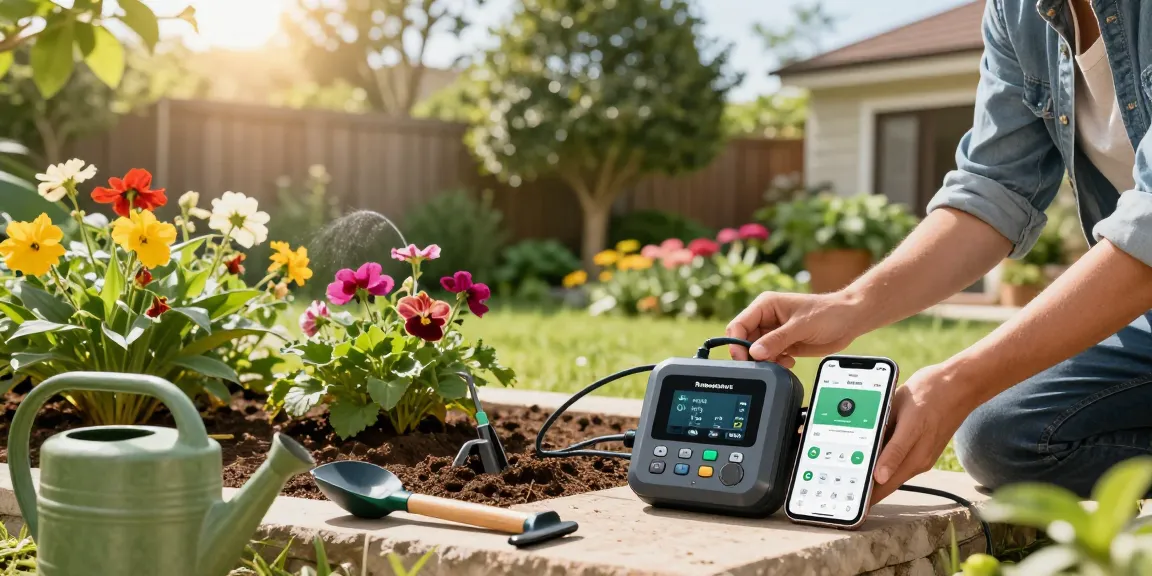
rainpoint Irrigation Controllers are state-of-the-art devices designed to automate the watering process for gardens, lawns, and indoor plants. Unlike traditional systems, these controllers are equipped with features that monitor soil moisture levels, weather conditions, and specific irrigation needs of different plants. This smart technology allows for precise watering schedules and volumes, ensuring plants receive the right amount of moisture without wastage.
Benefits of Using rainpoint Irrigation Controllers
The advantages of employing rainpoint Irrigation Controllers extend beyond mere convenience. Key benefits include:
- Water Conservation: These controllers minimize water wastage through targeted watering, reducing overall consumption.
- Plant Health: By delivering optimal moisture levels, plants are less stressed, leading to stronger growth and higher yields.
- Time-Saving: Once set up, these systems require minimal intervention, allowing gardeners to focus on other tasks.
- Data Insights: Many models offer detailed insights into water usage, helping users make informed decisions about irrigation practices.
Key Features of rainpoint Irrigation Controllers
When selecting a rainpoint Irrigation Controller, several features stand out:
- Wi-Fi Connectivity: Connects to a smartphone app for remote management and monitoring.
- Soil Sensors: Measure moisture levels directly in the ground, adjusting irrigation accordingly.
- Customizable Scheduling: Allows users to set specific days and times for watering, catering to different plant needs.
- Seasonal Adjustments: Adapts to changing weather conditions, ensuring plants are watered effectively throughout the year.
Setting Up Your rainpoint Irrigation Controller
Installing your rainpoint Irrigation Controller is a straightforward process that can significantly enhance your gardening experience. Below is a step-by-step guide to setting up your device.
Step-by-Step Installation Guide
- Gather Required Tools: Ensure you have all necessary tools, such as a wrench, screwdriver, and garden hose.
- Position the Controller: Mount the controller in a sheltered location near a water source to reduce risks from the elements.
- Connect Water Supply: Attach the controller to the faucet and connect the garden hose or irrigation tubing as necessary.
- Install Soil Sensors: If your model includes soil sensors, strategically place them in different areas of your garden to gather accurate moisture data.
- Download the App: For models with app integration, download the corresponding smartphone app to manage settings and monitor performance.
Connectivity Options and App Integration
Most rainpoint Irrigation Controllers feature Wi-Fi connectivity that allows users to connect their devices to a smartphone app. This integration enables remote access to watering schedules, real-time moisture readings, and notifications about system performance. It is crucial to follow the app’s setup instructions carefully to ensure a successful connection.
Common Setup Challenges and Solutions
While setting up your rainpoint Irrigation Controller should be a smooth process, some users may encounter challenges:
- Wi-Fi Connectivity Issues: Ensure that the controller is within range of your home router. Consider using Wi-Fi extenders if needed.
- Inaccurate Soil Sensor Readings: Check the placement of soil sensors to ensure they are not too close to roots or debris that may affect moisture readings.
- Timer Conflicts: If the controller is not watering as scheduled, verify that the time zone settings are correctly configured in the app.
Maintaining Your rainpoint Irrigation System
To maximize the lifespan and effectiveness of your rainpoint Irrigation Controller, regular maintenance is crucial. Implement the following maintenance tips to keep your system running smoothly.
Regular Maintenance Tips for Longevity
- Seasonal Checkups: Inspect the system at the beginning of each season, checking for leaks and ensuring all components are functioning correctly.
- Clean Filters and Nozzles: Regularly clean any filters, nozzles, or spray heads to prevent clogs and ensure optimal water flow.
- Software Updates: Keep the app and controller firmware updated to benefit from the latest features and security improvements.
How to Troubleshoot Common Issues
Despite thorough maintenance, issues may arise. Here’s how to troubleshoot:
- Water Not Flowing: Check the water supply and ensure valves are open. Inspect hoses and connections for blockages.
- Inaccurate Watering Times: Verify that the controller settings align with your desired schedule and check for any overridden settings in the app.
Seasonal Adjustments for Optimal Performance
It’s essential to adjust your watering schedule based on seasonal weather changes. During dry seasons, increase watering frequency, while reducing it during rainy periods to prevent overwatering and root rot. Leveraging the insights from your rainpoint Irrigation Controller can help you fine-tune your approach for each season.
Maximizing Water Efficiency
Understanding how to maximize water efficiency with your rainpoint Irrigation Controller is vital in today’s environment. Here are ways to improve your water usage:
Understanding Water Usage Data
Many rainpoint models provide detailed analyses of water usage, allowing gardeners to track consumption trends over time. By reviewing this data, users can identify periods of high usage and make necessary adjustments to their watering schedules.
Best Practices for Water Conservation
- Water During Cooler Hours: Water in the early morning or late evening to reduce evaporation rates.
- Utilize Rain Barrels: Collect rainwater for irrigation, reducing reliance on municipal water supply.
- Group Plants by Water Needs: Organize plants with similar moisture requirements together to optimize individual watering schedules.
Real-World Case Studies Using rainpoint Controllers
Several users have reported impressive results with their rainpoint Irrigation Controllers. For example, one user successfully managed a large property of over 23,000 square feet, significantly reducing water consumption while enjoying the flourishing growth of trees and plants.
The Future of Gardening with Technology
The gardening landscape is changing, with technology playing a pivotal role in shaping best practices. rainpoint is at the forefront of this innovation, bringing advanced solutions to gardeners everywhere.
Emerging Trends in Smart Irrigation Systems
The future of smart irrigation systems is marked by greater integration with IoT (Internet of Things) devices, machine learning algorithms, and real-time data analytics. These advancements allow for even more precise watering techniques and predictive adjustments based on weather forecasts, ensuring optimal plant health.
How rainpoint is Innovating for 2026 and Beyond
As we move into 2026, rainpoint is set to introduce improved models that incorporate AI technology for monitoring and decision-making. These advancements will not only enhance functionality but also contribute significantly to sustainable gardening practices by reducing water waste.
Expert Insights on Sustainable Gardening Practices
Experts emphasize the importance of integrating technology like rainpoint Irrigation Controllers into daily gardening tasks. By adopting a data-driven approach, gardeners can achieve optimal growth while minimizing their environmental footprint.