Understanding the Importance of Pond Maintenance
Pond maintenance is more than just an aesthetic concern; it plays a critical role in promoting a healthy ecosystem. Neglecting your pond can lead to a variety of problems, including poor water quality, algae blooms, and declining fish health. Regular cleaning and maintenance ensure that your pond remains a vibrant part of your garden while supporting aquatic life. When exploring options, Pond Clean London provides comprehensive insights into maintaining an inviting and healthy pond environment.
Why Regular Pond Cleaning is Essential?
Regular pond cleaning is imperative for several reasons. First and foremost, it helps to remove debris, excess plant matter, and algae that can accumulate over time. These elements, if left unchecked, can adversely affect water clarity and quality. A clean pond not only enhances visual appeal but also prevents the stagnation of water, which can lead to unpleasant odors and further complications. Additionally, maintaining your pond proactively can save you money in the long run by preventing more severe problems that could necessitate costly repairs or interventions.
Benefits of a Clean Pond for Aquatic Life
A clean pond promotes a thriving aquatic ecosystem. Beneficial microorganisms flourish in clean water, allowing for nutrient cycling and decomposition, which is essential for fish and plant health. Furthermore, clear water enhances the ability of plants to perform photosynthesis, enhancing oxygen levels in the pond. Healthy oxygen levels are crucial for the survival of fish and other aquatic species. By prioritizing regular cleaning and maintenance, you’re creating a sustainable habitat that supports biodiversity.
Common Challenges in Pond Care
Pond care is not without its challenges. Common issues include algae overgrowth, sediment buildup, and invasive plant species. Algae blooms can occur rapidly, often fueled by high nutrient levels from decaying organic matter and excess fertilizers. Sediment can accumulate on the bottom of the pond, leading to poor water quality. Identifying and addressing these challenges early is key to maintaining your pond’s health and aesthetic value.
Innovative Techniques for Pond Cleaning
Modern Equipment and Tools for Effective Cleaning
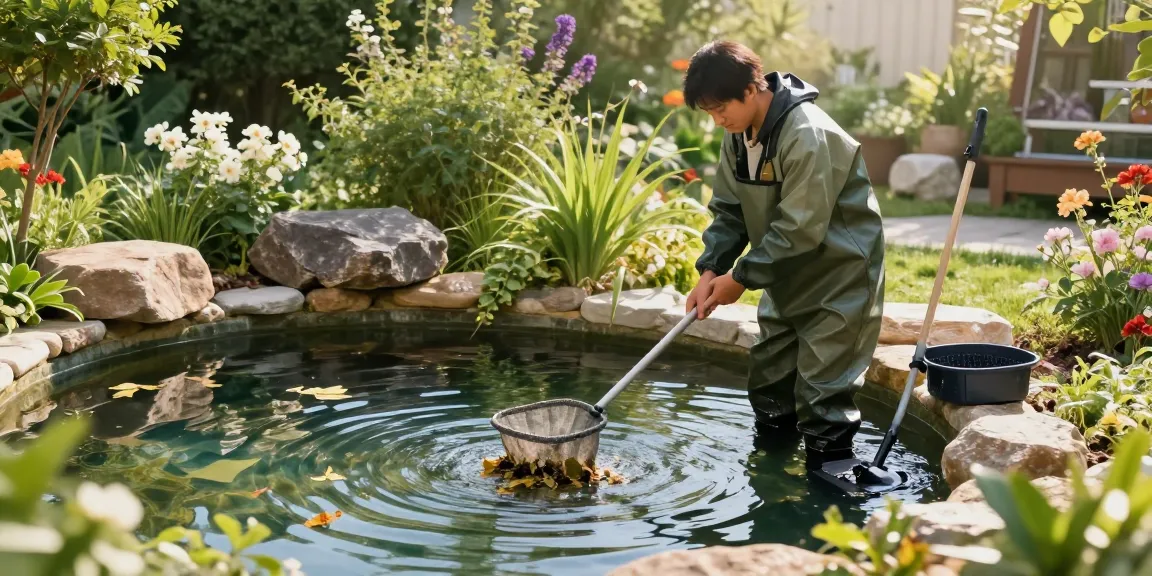
The landscape of pond cleaning has evolved with the introduction of advanced equipment and tools. High-powered pond vacuums and aeration systems are now common, allowing for efficient removal of debris and enhancement of oxygen levels in the water. These technologies not only streamline the cleaning process but also contribute to the long-term health of the pond ecosystem. The efficient removal of sludge and detritus ensures clarity and quality of water, leading to a more aesthetically pleasing environment.
Eco-Friendly Cleaning Methods to Consider
In today’s environmentally conscious world, eco-friendly cleaning methods are more important than ever. Using natural bacteria and enzymes can effectively break down organic waste without introducing harmful chemicals into the pond ecosystem. Additionally, manual removal of invasive species can be a sustainable way to maintain your pond without disrupting aquatic life. Techniques that avoid the use of harsh chemicals contribute to a healthier environment for both wildlife and humans alike.
Professional Vs. DIY Pond Cleaning: Which is Right for You?
Whether to hire a professional or take on pond cleaning yourself depends on various factors, including the size of your pond, your level of expertise, and the specific issues at hand. While DIY cleaning can be cost-effective, it may not always yield the best results, especially if significant problems such as algae infestations or sediment buildup are present. Professionals bring specialized knowledge, equipment, and experience that can ensure a thorough and effective cleaning process.
Signs Your Pond Needs Immediate Cleaning
Visual Indicators of Poor Water Quality
Poor water quality can manifest in several visual indicators. Cloudy or murky water, unpleasant odors, and a buildup of unsightly debris on the surface can all signal that your pond is in need of immediate attention. Additionally, an abundance of floating algae or weeds can lead to reduced oxygen levels and harbor harmful bacteria. Being proactive by recognizing these signs can help prevent further deterioration of your pond’s condition.
Common Algae Problems and Solutions
Algae proliferation is one of the most prevalent issues faced by pond owners. Common types of algae include planktonic algae, which can turn the water green, and filamentous algae, which can form mats on the water’s surface. Solutions range from physical removal to introducing beneficial bacteria and aquatic plants that outcompete algae for nutrients. Regular monitoring and management can significantly reduce the risk of algae problems in your pond.
Pond Wildlife: Signs of Stress from Neglect
The health of the wildlife in your pond can indicate its overall condition. If fish are seen gasping for air at the surface or if there is reduced wildlife activity, these can be signs of stress due to poor water quality. Dead fish, stunted growth, or unusual behavior in aquatic species can indicate deeper problems requiring immediate intervention. Observing wildlife can provide valuable insights into the state of your pond and guide your cleaning efforts.
How to Choose the Right Pond Cleaning Service in London
What to Look for in a Professional Service
Choosing the right pond cleaning service involves looking for specific qualities. Start by considering their experience and reputation; established companies typically have a track record of reliable service and positive client feedback. Ensure that they are knowledgeable about local regulations and environmentally friendly practices, as sustainable cleaning options are becoming increasingly necessary in today’s world.
Questions to Ask Before Hiring
Before you finalize your choice of pond cleaning service, consider asking several key questions. Inquire about their cleaning methods, the equipment they use, and how they address common pond issues. It’s also essential to understand their pricing structure and whether they offer customized packages tailored to the unique needs of your pond. Clear communication will set the stage for a successful partnership.
Understanding Pricing and Packages
Pond cleaning service pricing can vary widely depending on the size of the pond, the extent of cleaning required, and the type of services included. Many companies offer tiered packages that range from basic cleaning to comprehensive maintenance plans. It’s vital to compare these packages and ask for a detailed breakdown of the services included to make an informed decision that fits your budget and pond care needs.
Future Trends in Pond Care and Maintenance
Technological Innovations Shaping Pond Services by 2026
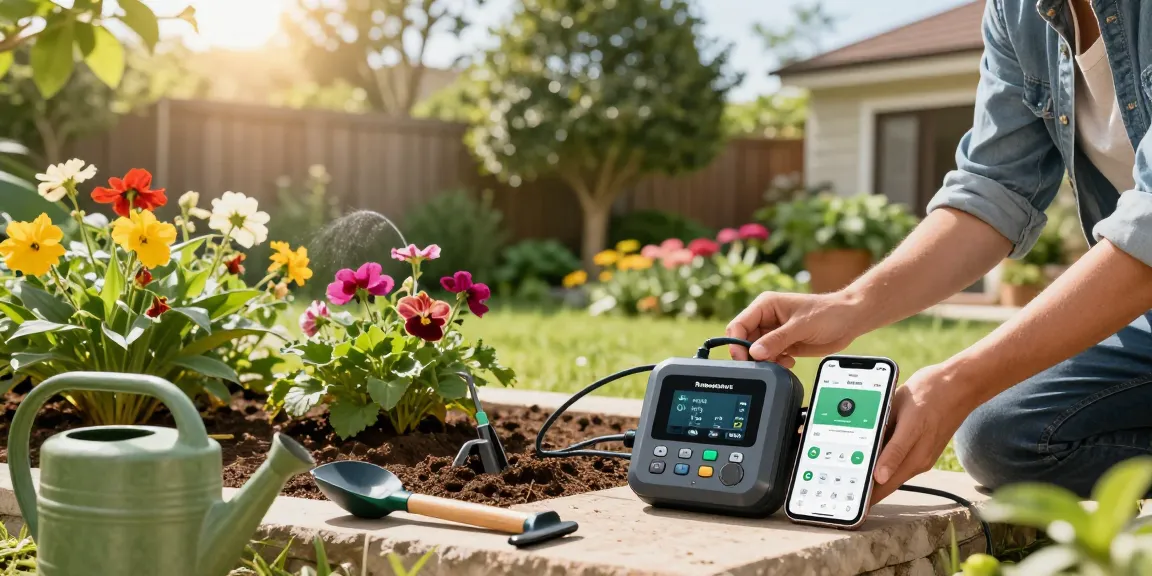
Looking ahead, technological advancements are set to revolutionize pond care and maintenance. Innovations such as automated pond monitoring systems that track water quality parameters in real time will become more common. These systems will enable pond owners to make informed decisions about cleaning and maintenance, ensuring optimal health for aquatic ecosystems.
Predictions for Eco-Conscious Pond Care Practices
As environmental awareness continues to grow, eco-conscious practices in pond care will likely gain traction. Techniques such as natural filtration systems, native planting to promote biodiversity, and using organic treatments will be more common. This trend reflects a broader movement towards sustainability, where pond care not only supports personal enjoyment but also contributes positively to the environment.
Community Engagement in Local Pond Conservation Efforts
Community involvement in pond conservation is destined to rise as local initiatives gain popularity. Educational programs, volunteer days, and workshops can help foster a greater understanding of the ecological importance of ponds. Engaging the community in conservation efforts not only enhances local ecosystems but also strengthens bonds among residents who share a common interest in preserving their natural environment.
What is Pond Cleaning and How Can It Benefit You?
Pond cleaning refers to the process of removing debris, harmful algal blooms, and sediment to improve water quality and promote a healthy aquatic environment. Regular cleaning benefits pond owners by ensuring clearer water, healthier fish, and a more pleasant aesthetic. It prevents larger problems from developing, thereby maintaining your pond as a crucial feature of your landscape.
How Often Should You Clean Your Pond?
The frequency of pond cleaning can vary based on several factors, such as the size of the pond, the number of fish, and the surrounding vegetation. Generally, a thorough cleaning is recommended at least once a year, while routine maintenance, such as checking water quality and removing debris, should be done more frequently, ideally every few months.
What Tools Should You Use for Pond Cleaning?
Effective pond cleaning typically requires specific tools and equipment. A pond vacuum is essential for removing sludge from the bottom, while nets can help clear surface debris. Aerators enhance oxygen levels, and UV clarifiers can effectively control algae growth. Investing in quality tools can significantly ease the cleaning process and improve overall pond health.
How Can You Prevent Algae Growth in Your Pond?
Preventing algae growth in your pond involves a combination of strategies. Regular maintenance is crucial—removing excess organic matter and ensuring proper aeration can greatly mitigate algae issues. Additionally, introducing plants that consume excess nutrients can help keep algae in check. Monitoring water quality weekly and adjusting nutrient inputs will further prevent algae from taking hold.
What Are the Best Practices for Pond Ecosystem Health?
Maintaining a healthy pond ecosystem involves several best practices. Regular water testing for pH, ammonia, and nitrate levels is essential for early detection of issues. Creating a balanced ecosystem with diverse aquatic plants and fish species fosters resilience against problems. Additionally, avoiding the use of chemical fertilizers nearby can prevent nutrient runoff into the pond, promoting overall health and stability.