Understanding British Pond Plants
British pond plants are a vital component of aquatic ecosystems, offering not just beauty but also essential ecological benefits. Whether you’re a seasoned gardener or just starting your pond journey, understanding the variety and significance of these plants ensures a thriving habitat. With a rich diversity of species, British pond plants support wildlife, improve water quality, and contribute to the overall health of the aquatic environment. When exploring options, British Pond Plants provide comprehensive insights into the types and benefits of incorporating these plants into your pond setup.
Definition and Importance of British Pond Plants
British pond plants are species native to the UK that thrive in freshwater habitats. They play a crucial role in maintaining ecological balance while offering aesthetic value. These plants help improve water clarity and quality by absorbing excess nutrients and providing oxygen, which is vital for aquatic life. Moreover, they serve as natural habitats for various wildlife, supporting biodiversity in ponds and surrounding areas.
Common Types of British Pond Plants
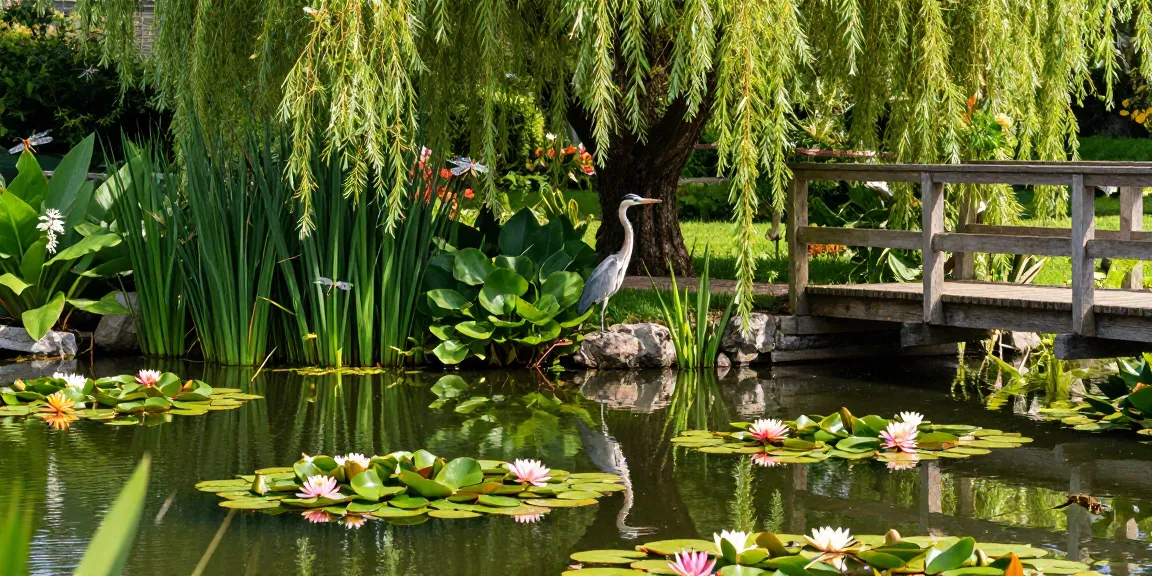
- Water Lilies (Nymphaea): Known for their stunning flowers and broad leaves, water lilies provide shade for fish while reducing algae growth.
- Common Reed (Phragmites australis): This tall grass-like plant helps prevent erosion and offers shelter for wildlife.
- Yellow Flag Iris (Iris pseudacorus): With striking yellow flowers, this plant also attracts pollinators and supports local wildlife.
- Hornwort (Ceratophyllum demersum): A submerged plant that helps oxygenate water and provides refuge for aquatic creatures.
Benefits of Incorporating Pond Plants
Integrating British pond plants into your garden brings multiple benefits. They enhance the aesthetic appeal of your pond, create a more natural environment, and foster a balanced ecosystem. Additionally, these plants help control algae blooms by competing for nutrients, thereby improving water quality. Furthermore, they encourage biodiversity by providing habitats for frogs, dragonflies, and birds, making your pond a vibrant ecosystem.
Choosing the Right British Pond Plants for Your Garden
Factors to Consider When Selecting Pond Plants
Selecting the appropriate pond plants begins with understanding your pond’s specific conditions. Factors such as water depth, sunlight exposure, and climate will influence your choices. For example, shallow areas are ideal for marginals like the Purple Loosestrife, while deeper zones can accommodate submerged plants like Hornwort. Additionally, consider the ultimate size and growth habits of the plants to avoid overcrowding, which can lead to maintenance challenges.
Best Practices for Plant Placement
When planning your plant placement, aim to create zones within your pond. Marginal plants should be placed at the water’s edge, while floating plants can be used to cover the surface. Submerged plants should be positioned at lower depths where they can thrive without obstructing water flow. Arranging plants in clusters not only enhances aesthetic appeal but also mimics natural ecosystems.
Combining Different Plant Varieties Effectively
Mixing various species can enhance biodiversity and stability in your pond. Choose a combination of submerged, floating, and marginal plants to create a layered effect. For instance, pairing Water Lilies with the Yellow Flag Iris can provide visual interest and diverse habitats. However, be cautious of invasive species that might outcompete native plants. Always opt for native varieties to maintain ecological integrity.
Maintaining a Healthy Pond Ecosystem
Water Quality Management Tips
Maintaining water quality is paramount for a thriving pond ecosystem. Regular testing of pH, nitrate, and phosphate levels can help you identify nutrient imbalances. Implementing a balanced ratio of plants can naturally filter water, while introducing beneficial bacteria can further break down organic waste. Additionally, avoiding overfeeding fish reduces nutrient overload, contributing to clearer water.
Managing Algae and Weeds
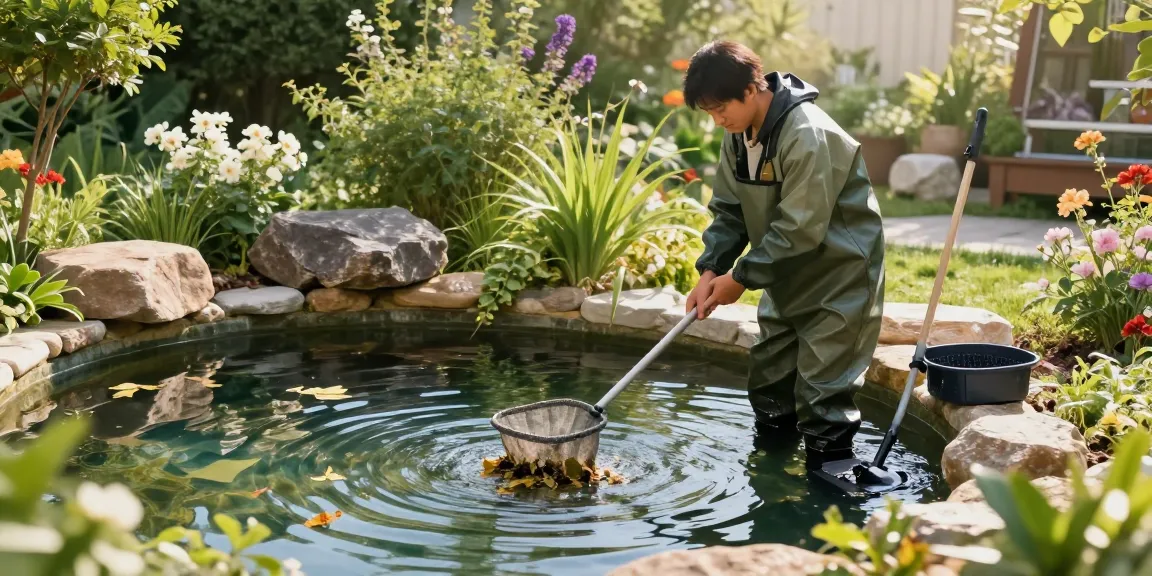
Algae can quickly become a nuisance in ponds if not kept in check. Implementing a diverse planting strategy is key to controlling algae growth. Consistently removing excess organic matter and using physical barriers like floating plant mats can limit sunlight penetration. If algae blooms persist, consider introducing barley straw or employing natural algae-eating fish.
Seasonal Care for British Pond Plants
Each season presents unique challenges and care requirements for pond plants. In spring, focus on planting and division to promote healthy growth. During summer, ensure adequate watering and monitoring for pests. In autumn, cut back dead foliage to minimize decay in the pond, and in winter, consider insulating tender plants against frost while allowing hardy species to go dormant naturally.
Encouraging Wildlife Around Your Pond
Creating Habitats for Aquatic Wildlife
Encouraging wildlife around your pond involves designing habitats that cater to various species. Incorporating rocks, submerged logs, or shallow areas can create refuges for frogs and small fish. Additionally, planting native grasses and shrubs along the pond’s edge provides foraging space for birds and insects, enhancing the ecological diversity of your garden.
The Role of British Pond Plants in Biodiversity
British pond plants are crucial in fostering biodiversity within aquatic ecosystems. They provide essential food sources for herbivores and habitat for various life stages of insects, amphibians, and fish. By ensuring a mix of plant species, you promote a balanced ecosystem that supports various life forms, which in turn strengthens the resilience of the pond.
Best Practices for Attracting Birds and Insects
To create an inviting space for birds and beneficial insects, plant nectar-rich flowers and provide perching spots around the pond. Birdbaths and feeder stations can entice species to visit. Additionally, minimizing pesticide use benefits pollinators like bees and butterflies, ensuring a vibrant and active ecosystem.
Future Trends in Pond Gardening for 2026
Innovative Techniques for Sustainable Pond Gardening
As we approach 2026, sustainable gardening practices are gaining momentum. Techniques such as using native plants, implementing rain gardens, and integrating eco-friendly materials will shape the future of pond gardening. Additionally, community involvement in pond management efforts fosters collective responsibility for environmental conservation.
Predictions for Aquatic Plant Varieties
Emerging trends suggest a rise in popularity for climate-resilient plant varieties that can thrive in diverse conditions. Expect to see hybrids that require less maintenance and are more resistant to pests and diseases gaining traction among pond enthusiasts. Researchers are also focusing on developing plants with improved ecological benefits, such as enhanced water filtration capabilities.
Integrating Technology in Pond Ecosystem Management
Technology is set to revolutionize pond management in the coming years. From automated water quality monitoring systems to advanced irrigation techniques, integrating technology will enhance ecosystem health. Apps that support plant identification and care will further empower garden enthusiasts to maintain thriving ponds with minimal effort.
What are the best British pond plants for beginners?
For beginners, selecting hardy, low-maintenance plants like Water Lilies, Marsh Marigolds, and Hornwort can simplify pond gardening. These plants are resilient and adaptable, making them ideal for novice gardeners while providing essential ecological functions.
How can I improve the health of my pond?
Improving your pond’s health involves regular water quality checks, introducing a diverse range of plants, and managing nutrient levels. Ensuring a balanced ecosystem through careful plant choices and maintenance will lead to better water clarity and overall health.
What wildlife can I attract with British pond plants?
British pond plants can attract a diversity of wildlife, including frogs, newts, dragonflies, and various bird species. By creating a rich environment with native plants, you can enhance biodiversity and invite beneficial species into your garden.
How do I deal with invasive pond plant species?
To manage invasive species, regular monitoring and prompt removal are essential. Manual removal or the introduction of natural competitors can help control their spread. Ensuring you only plant native species can also prevent the introduction of invasives into your pond.
What are the benefits of a natural pond ecosystem?
A natural pond ecosystem promotes biodiversity, supports wildlife habitats, and improves water quality. Additionally, these ecosystems enhance aesthetic appeal, providing a peaceful retreat while benefiting the environment and contributing to local biodiversity.