
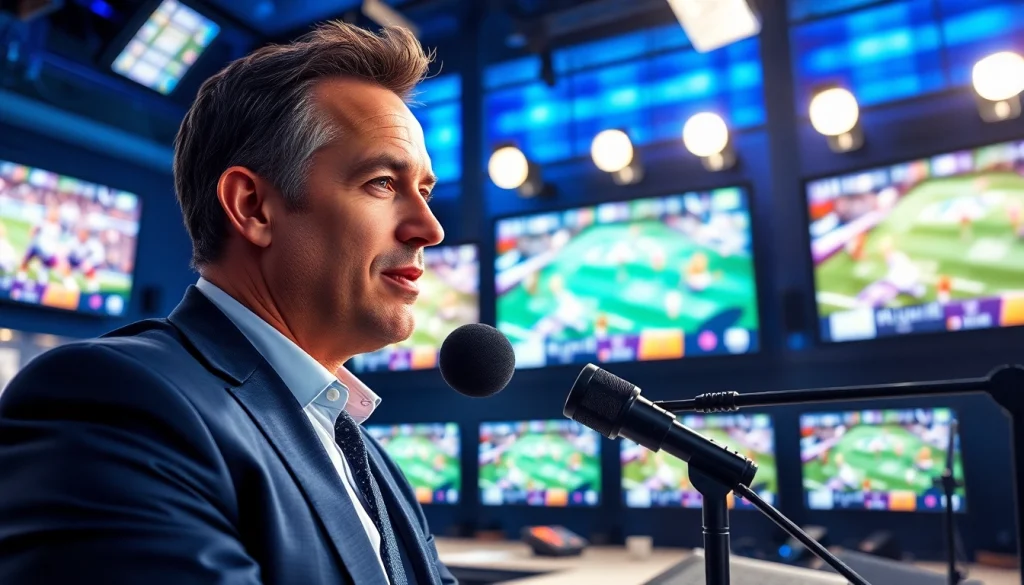
Understanding Sports Broadcasting
What is Sports Broadcasting?
Sports Broadcasting refers to the distribution and presentation of live sporting events through various media platforms. This can encompass television, radio, online streaming, and social media channels. The goal is to provide audiences with real-time access to their favorite events while adding value through analysis, commentary, and expert insights. As it evolves, Sports Broadcasting integrates storytelling and entertainment, creating an immersive experience that attracts millions of viewers worldwide.
The Evolution of Sports Broadcasting
Since its inception in the early 20th century, sports broadcasting has transformed dramatically. Initially, the first broadcasts were simple radio announcements conveying scores and play-by-play commentary. As the technology advanced, television became the preferred medium, illustrating not just the events but the emotions and spectacle surrounding them. In recent years, digital platforms have surged in popularity, allowing on-demand viewing and multi-platform broadcasting, which brings sports to ever-wider audiences and incorporates interactivity.
Key Components of Sports Broadcasting
A successful sports broadcast comprises various elements. Some key components include:
- Production Quality: High-definition cameras, sound quality, and production teams enhance the viewer’s experience.
- Commentary: Engaging commentators who provide insights and excitement can significantly influence audience satisfaction.
- Graphics and Analytics: Visual aids, statistics, and real-time analysis improve understanding and engagement during broadcasts.
- Audience Interaction: Engaging fans through social media, polls, and interactive features strengthens viewer loyalty.
Technological Trends in Sports Broadcasting
Emerging Technologies Shaping Sports Broadcasting
Innovative technologies are continuously reshaping sports broadcasting. Virtual Reality (VR) and Augmented Reality (AR) have started to provide immersive experiences, allowing fans to engage in ways previously unimagined. For example, VR can place viewers in an arena, creating a sense of presence. Drones and 360-degree cameras offer unique perspectives, making events more thrilling.
The Role of Streaming Services in Sports Broadcasting
The shift toward streaming services has marked a significant change in how sports are consumed. Major leagues have partnered with streaming platforms, providing direct-to-consumer options that eliminate traditional cable packages. This trend caters to younger audiences who prefer flexibility in viewing. Additionally, these services typically offer the option to watch on multiple devices, ensuring that fans can engage with their favorite sports anytime, anywhere.
Interactive Features Enhancing Sports Broadcasting
Interactive elements across broadcasts have gained traction, enhancing viewer engagement. Features like live chats, real-time stats, and instant replays enable viewers to immerse themselves further. Social media integration allows fans to join discussions with other viewers, and gamification aspects like fantasy leagues encourage ongoing interaction throughout the sports season.
Challenges in Sports Broadcasting
Legal and Regulatory Hurdles
The sports broadcasting landscape is fraught with legal challenges, including licensing agreements, broadcasting rights, and intellectual property laws. Content creators must navigate a complex web of regulations, often requiring negotiations with multiple stakeholders and compliance with diverse international laws, which can be a daunting task for companies in the industry.
Maintaining Viewer Engagement
In an era where attention spans are shortening, keeping viewers engaged presents a substantial challenge. Broadcasts become part of an expansive media landscape competing for attention. To counteract this, networks are tasked with creating compelling programming strategies and engaging content, such as reality shows, behind-the-scenes features, and athlete-focused documentaries that appeal to sports fans.
Adapting to New Market Trends
Market trends, including advances in technology and changing viewer habits, require sports broadcasters to adapt rapidly. These shifts range from previously traditional viewing methods to mobile access and the use of data analytics to tailor experiences for viewers. Flexibility and foresight in strategy are paramount for success in this competitive landscape.
Best Practices for Sports Broadcasting
Creating Compelling Content
Sports broadcasters must produce content that connects with fans at a personal level. Utilizing storytelling, focusing on players’ journeys, and providing in-depth analysis not only enrich the viewing experience but also foster loyalty among fans. Innovative formats, such as mini-documentaries or interactive tutorials, can draw in a wider audience and enhance engagement.
Effective Communication with Audiences
One of the standout elements of successful sports broadcasting is effective communication. This requires transparency, active listener engagement, and responsiveness to feedback. Maintaining an open channel between broadcasters and audiences can cultivate a community feeling amongst fans, turning casual viewers into devout followers.
Utilizing Social Media for Broadcasting
Social media channels have become invaluable for promoting sports broadcasts. They allow for real-time interaction with fans, spur discussions, and raise awareness for upcoming games or events. By using platforms like Twitter, Instagram, and TikTok, broadcasters can provide content beyond traditional broadcasts, effectively reaching wider demographics.
The Future of Sports Broadcasting
Predictions for Sports Broadcasting Developments
The future of sports broadcasting is poised for transformation. Technology such as AI and machine learning is anticipated to advance personalization and content curation significantly. These technologies will analyze viewer preferences and deliver tailored experiences, thus improving engagement and satisfaction.
Potential Market Changes
Potential changes in market dynamics may arise from global streaming service competition and shifts in subscription-based models. As more people gravitate toward online platforms, traditional pay-per-view systems may decline, demanding innovative approaches to monetize content and generate revenue sustainably.
Enhancing the Viewing Experience
Future enhancements in the viewing experience will likely focus on augmented viewer engagement through emerging technologies. Virtual reality, gamification, and data visualization are among the trends expected to elevate the audience experience, making them more active participants rather than passive observers.
Frequently Asked Questions
What are the primary platforms for Sports Broadcasting?
The primary platforms include traditional television, radio, online streaming services, and social media networks, each contributing to the multitude of ways fans can access content.
How has technology changed Sports Broadcasting?
Technology has transformed how sports are viewed and interacted with, introducing features like VR, AR, and advanced analytics, creating a more immersive experience for fans.
What are the major challenges in Sports Broadcasting?
Key challenges involve navigating legal regulations, maintaining viewer engagement, and adapting to changing market trends that shape how sports are consumed.
How can broadcasters engage with audiences effectively?
Engaging effectively involves creating quality content, being responsive to feedback, and actively using social media to foster interaction and community.
What is the future of Sports Broadcasting?
The future is expected to focus on increased interactivity, personalization through AI, innovative content formats, and changes in monetization due to evolving viewing habits.