
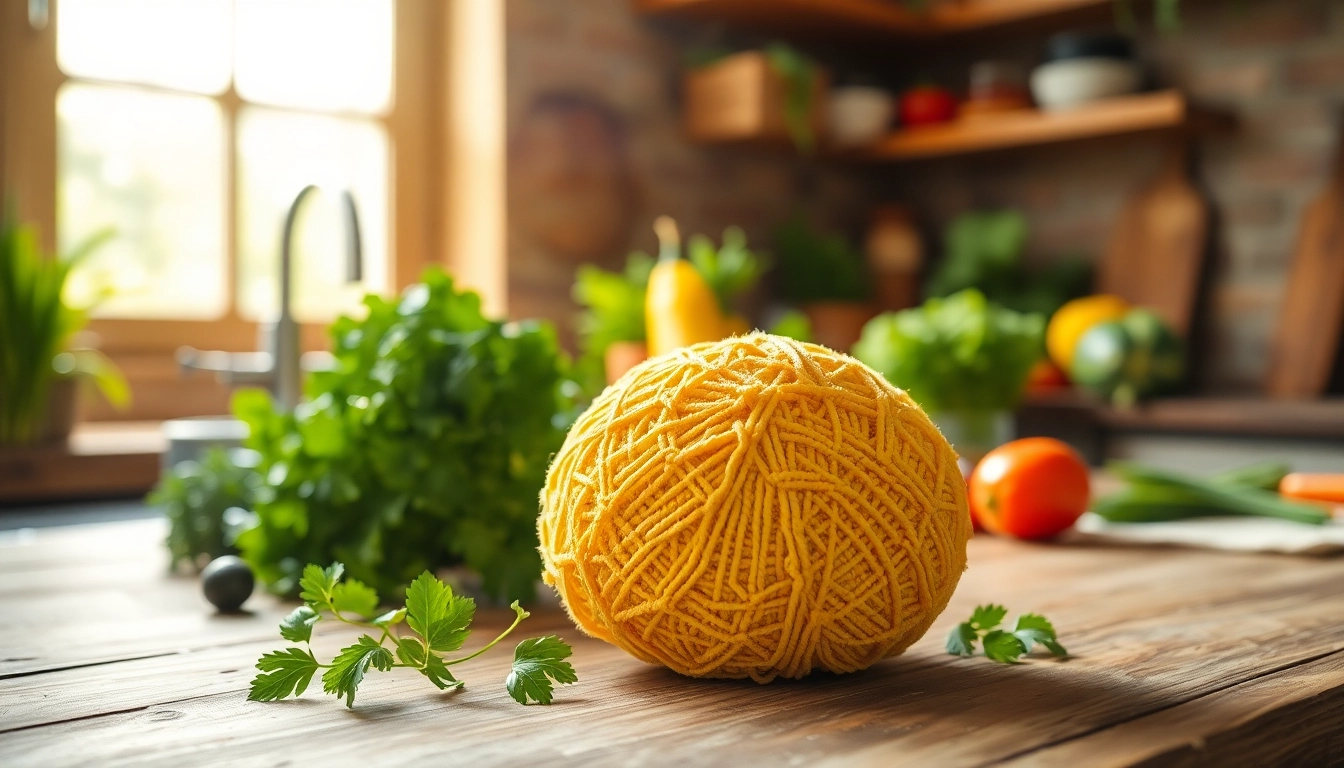
Understanding the Kitchen Loofah: An Introduction
The kitchen loofah is a multipurpose tool often overlooked in modern kitchens, yet its versatility and natural properties offer remarkable benefits. Derived from the fibrous interior of the loofah gourd, this organic kitchen asset not only stands out for its cleaning abilities but also promotes a sustainable lifestyle. For kitchen enthusiasts looking to elevate their culinary experience, integrating a kitchen loofah into their routines can lead to healthier practices and environmentally friendly choices.
What is a Kitchen Loofah?
A kitchen loofah, often simply called a loofah, is a natural sponge made from the mature fruit of the loofah plant (Luffa aegyptiaca or Luffa cylindrica). When dried and cleaned, it presents a fibrous, porous texture that makes it perfect for various cleaning and cooking tasks. While typically associated with bathing and skincare, its culinary applications are becoming more recognized. As a member of the cucumber family, this plant’s gourd can grow to significant lengths, allowing for numerous loofahs to be harvested from a single fruit.
The Natural Benefits of Kitchen Loofah
The kitchen loofah has several natural benefits that make it advantageous over synthetic cleaning tools. Firstly, it is biodegradable, which means that after its lifecycle is over, it won’t contribute to environmental waste. In addition, it’s free from chemicals often found in synthetic sponges, making it a safer choice for food-related tasks. Its natural fibers are effective at removing dirt and debris without scratching surfaces, and its porous nature allows for excellent absorption of water and soap, enhancing its cleaning efficiency.
How Kitchen Loofahs Compare to Synthetic Sponges
When comparing kitchen loofahs to synthetic sponges, the differences become glaringly apparent. Synthetic sponges, often made from polyester or nylon, can harbor bacteria and mold due to their mineral composition and lack of drainage. Kitchen loofahs, conversely, dry quickly and are resistant to such microbial growth due to their natural fibers. Furthermore, the manufacturing process of synthetic sponges often involves environmentally harmful practices, contrasting with the sustainable cultivation of loofah plants. Ultimately, choosing a kitchen loofah supports a healthier kitchen environment and contributes to eco-conscious living.
Ways to Incorporate Kitchen Loofah in Your Cooking
Using Kitchen Loofah for Cleaning Produce
One of the most practical uses for kitchen loofah is in cleaning fruits and vegetables. Its fibrous texture makes it gentle yet effective for scrubbing away dirt and contaminants from the surface of produce without the need for chemical cleaners. To clean your vegetables, simply wet the loofah, lather with a bit of soap, and gently scrub your produce. This method not only ensures that your fruits and vegetables are clean but also preserves their quality and taste.
Kitchen Loofah as a Natural Cooking Tool
Beyond cleaning, the kitchen loofah can serve as an ingenious cooking utensil. Its fibrous structure makes it ideal for straining liquids, such as broth or homemade juices. Just place the loofah over a bowl or pot and slowly pour the liquid through—it effectively filters out impurities while allowing you to retain the intended flavors. Additionally, some chefs use loofah pieces as a natural basting brush, applying oils or marinades to meats and vegetables.
Recipes Featuring Kitchen Loofah as an Ingredient
Even more intriguing is the culinary versatility of the kitchen loofah itself. Young loofah gourds can be used in various dishes, particularly in Asian cuisine. They can be sliced thinly and stir-fried with veggies or added to soups where they absorb flavor beautifully. For a refreshing salad, dice young loofah and mix it with fresh herbs and a zingy dressing to highlight its crisp texture. Not only does this introduce a unique ingredient to your cooking, but it also elevates health with added fiber and nutrients.
Maintenance and Care for Your Kitchen Loofah
Proper Cleaning Practices
Maintaining your kitchen loofah is essential for ensuring its longevity and effectiveness. After each use, rinse the loofah thoroughly under hot water to remove residue and dirt. It’s recommended to soak it in a vinegar-water solution occasionally to disinfect it, which helps eliminate lingering bacteria and odors. Allow it to air dry completely before storing it to prevent mold growth.
How to Store Your Kitchen Loofah
Proper storage is key to extending the life of your kitchen loofah. After cleaning and drying, store it in a well-ventilated area, away from humidity and direct sunlight, which can degrade its fibers. Hanging it in a dry place with good air circulation will reduce the chances of mold buildup and keep it in top condition for longer use.
Signs to Replace Your Kitchen Loofah
Even with proper care, there will come a time when your kitchen loofah needs to be replaced. Look out for signs such as discoloration, a persistent odor, or reduced cleaning effectiveness. If the fibers start to break down or fray, it’s time for a new one. Generally, replacing your kitchen loofah every 3-4 weeks, depending on usage, will ensure your kitchen tools remain sanitary and effective.
Environmental Impact of Using Kitchen Loofah
Sustainability Benefits of Kitchen Loofah
Using kitchen loofahs significantly reduces your ecological footprint. As a biodegradable product, loofahs decompose naturally, contrasting sharply with synthetic alternatives that can take hundreds of years to break down. By choosing kitchen loofahs, you support sustainable agricultural practices, as they are often grown with minimal use of pesticides. Furthermore, opting for natural cleaning tools reflects a commitment to preserving natural resources and reducing waste.
Biodegradable Properties vs. Synthetic Alternatives
The biodegradable properties of kitchen loofahs make them a preferred choice over synthetic alternatives. When disposed of, loofahs return to the earth, enriching the soil rather than polluting landfills. In contrast, synthetic sponges contribute to plastic waste, which is an ongoing environmental crisis. Aside from their biodegradability, kitchen loofahs are compostable, further enhancing their sustainability credentials.
Supporting Eco-Friendly Brands
When purchasing kitchen loofahs, opting for eco-friendly brands can further amplify the positive environmental impact. Look for brands that source their loofahs sustainably and support ethical farming practices. By choosing such brands, you not only invest in high-quality products but also promote agricultural systems that prioritize sustainability and environmental stewardship.
Frequently Asked Questions About Kitchen Loofah
How long does a kitchen loofah last?
A kitchen loofah typically lasts 3-4 weeks with proper care. Replace it sooner if you notice any signs of wear or odor.
Can I use kitchen loofah for body scrubs?
Yes, kitchen loofah can be used for body scrubs in a bath setting, but ensure it’s specifically designated for that purpose and cleaned properly.
Are kitchen loofahs safe for food use?
Absolutely! Kitchen loofahs are safe for food use as they are natural, biodegradable, and do not contain harmful chemicals.
How do I clean a kitchen loofah properly?
Rinse thoroughly after each use, soak in a vinegar solution weekly, and let air dry to keep it clean and fresh.
Can kitchen loofah help with dishwashing?
Yes, kitchen loofahs are excellent for dishwashing, as they effectively scrub without scratching surfaces and don’t harbor bacteria like synthetic sponges.