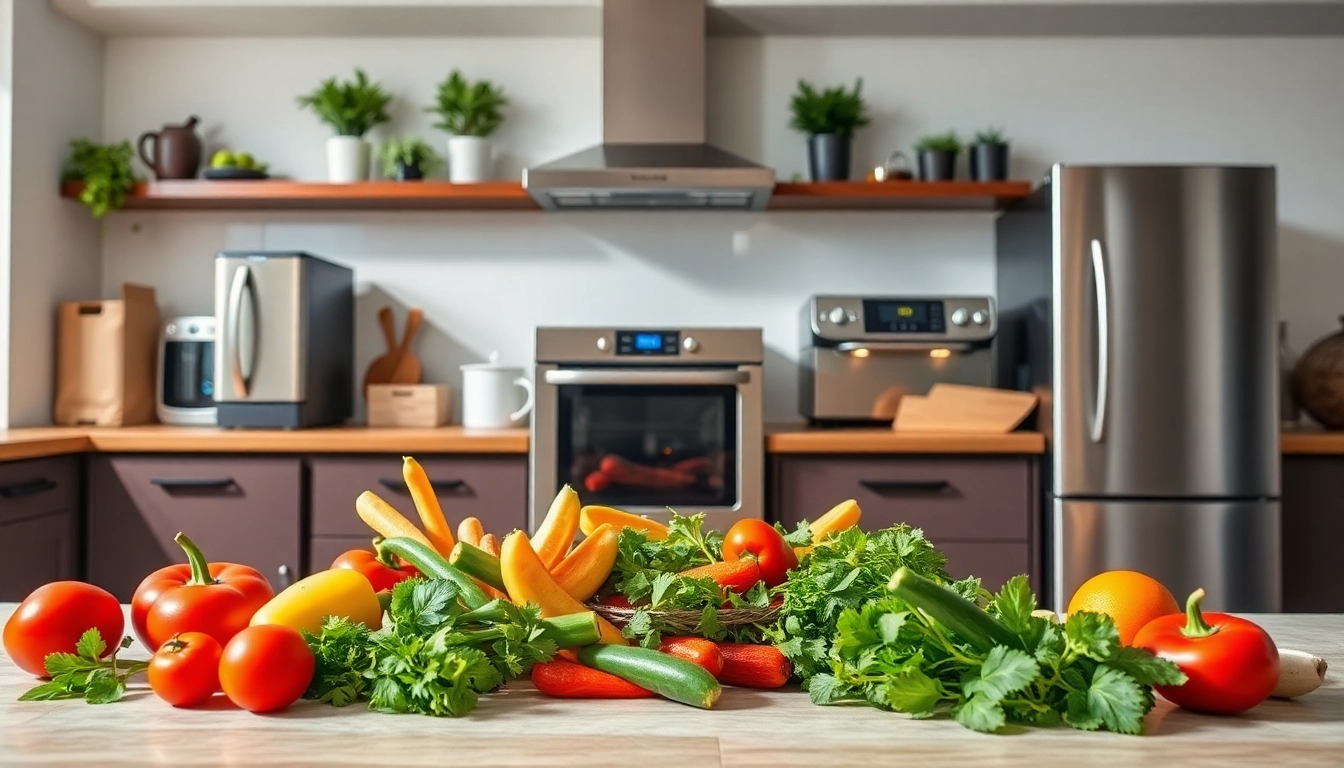
Understanding Home Appliances: A Comprehensive Guide
Home appliances play a pivotal role in modern living, seamlessly integrating into our daily routines to enhance convenience and efficiency. From washing machines that simplify laundry tasks to smart refrigerators that help us manage food storage, the range of home appliances available today is vast and varied. Understanding what home appliances are and how they function is the first step towards maximizing their benefits in our lives. For those looking to explore a diverse selection of home appliances, check out home appliances offered by various brands.
What are Home Appliances?
Home appliances refer to machines and devices that assist in household tasks. These can range from simple, mechanical instruments to advanced, internet-connected products. They are generally categorized into two types: major appliances, often referred to as 'white goods', such as refrigerators, ranges, washers, and dryers, and small appliances, including microwaves, coffee makers, and toasters. The primary purpose of home appliances is to simplify daily chores, thereby increasing productivity and improving the quality of life.
Types of Home Appliances
Home appliances can be broadly divided into several categories:
- Major Appliances: These are large devices essential for household functioning. Examples include refrigerators, ovens, dishwashers, and washing machines.
- Small Appliances: Compact devices that offer convenience in preparing food, cleaning, or other household duties, such as blenders, microwaves, and vacuum cleaners.
- Smart Appliances: These incorporate Internet of Things (IoT) technology, allowing for remote control or automation, examples being smart fridges and washing machines.
- Kitchen Appliances: Focused on culinary tasks, this category includes ovens, mixers, and food processors.
- Personal Care Appliances: Devices designed for personal grooming and care, such as hair dryers and electric shavers.
How Home Appliances Improve Daily Life
Home appliances are invaluable in enhancing our daily lives in numerous ways. They save time and effort, allowing us to allocate our energies towards more enjoyable activities. Major appliances like dishwashers and washing machines relieve the burden of manual cleaning, thus providing significant time savings. Small appliances like coffee makers contribute to our morning routines, ensuring that we enjoy fresh coffee with minimal effort. Furthermore, smart appliances help in optimizing household management, often enabling energy savings and providing reminders for tasks like when to defrost food or when it's time to clean the filters.
Essential Features to Look for in Home Appliances
Energy Efficiency Ratings and Their Importance
Energy efficiency is a crucial aspect to consider when purchasing home appliances. Devices with high energy efficiency ratings not only help in lowering utility bills but also contribute to environmental conservation by reducing energy consumption. Look for appliances with certifications like ENERGY STAR, which indicates that the product meets strict energy efficiency guidelines set by the EPA. Investing in energy-efficient appliances can result in substantial electricity savings over their lifetime.
Smart Technology Integration in Home Appliances
Integration of smart technology in home appliances is revolutionizing how we interact with our homes. Smart appliances can connect to our home Wi-Fi networks, allowing us to control them remotely through mobile apps. Features such as voice control, programmable settings, and automation enable users to preheat ovens, adjust temperatures, or send alerts when a cycle is complete, making daily tasks more manageable and efficient.
Design and Aesthetic Considerations
The design and aesthetics of home appliances play a significant role in kitchen and home decor. It’s vital to choose appliances that complement your home’s style and color scheme. Consider factors such as size, finish (stainless steel, matte, etc.), and whether the appliance has a built-in design option to blend seamlessly with cabinetry. Aesthetically pleasing appliances can enhance the overall ambiance of your home, making it feel more inviting and cohesive.
Choosing the Right Home Appliances for Your Needs
Assessing Space and Lifestyle Requirements
Before purchasing home appliances, assess your space and lifestyle requirements. Consider the layout and design of your kitchen and living areas. For instance, if you have a small kitchen, compact appliances or those with multifunctional capabilities may be more appropriate. Additionally, think about your daily routines and frequency of use. Families may need larger, more robust appliances, while singles or couples may prefer smaller, easier-to-maintain versions.
Budgeting for Home Appliances Purchases
Budgeting for home appliances is a critical component of the purchasing process. It's essential to balance cost against features and energy efficiency. While cheaper options may seem appealing, they might lead to higher energy bills or more frequent replacements. Set a realistic budget that accounts for both initial purchase prices and potential long-term savings from energy-efficient models. Make sure to factor in any additional costs for installation or maintenance as well.
Comparing Features Across Different Models
When selecting home appliances, comparing features across different models is crucial. Look for attributes that matter most to your lifestyle, like capacity, energy consumption, warranty protections, and additional functionalities. For example, when buying a washer and dryer, consider the type of clothes you typically wash, the load size, and whether you prefer steam cleaning or quick-wash settings. Reading consumer reports and online reviews can also offer valuable insights for comparison.
Maintenance Tips for Extending the Life of Home Appliances
Regular Cleaning and Care Practices
Regular maintenance is essential in extending the life of your home appliances. Establish a routine cleaning schedule tailored to each appliance's needs. For instance, keep your refrigerator coils clean, defrost your freezer regularly, and clean vents on your dryer to prevent fires. Always consult the user manual for specific cleaning recommendations and best practices to keep your appliances in optimal working order.
Common Repairs and Troubleshooting Techniques
Understanding common repairs for home appliances can save you time and money. Many issues can be troubleshot at home. For example, if your washing machine doesn’t drain, check the drain hose for clogs. Similarly, if your oven fails to heat, the issue could often stem from a blown fuse or bad thermostat. Familiarize yourself with common signs of malfunctioning appliances, and be prepared with basic repair techniques or troubleshooting guides if needed.
When to Seek Professional Help
While many minor appliance issues can be handled with DIY methods, some situations require professional help. If an appliance emits strange noises, leaks water, or shows errors, it may be a sign of serious malfunction. Additionally, if you encounter electrical problems or complex repairs, seeking a professional technician’s assistance is wise. Regular servicing by qualified professionals can also help in diagnosing potential future issues before they escalate.
FAQs About Home Appliances
How do I determine the best home appliances for my kitchen?
Evaluate your cooking habits, available space, and budget. Consider appliances that fit your needs and enhance your kitchen's functionality without overcrowding.
What is the importance of energy efficiency in home appliances?
Energy-efficient appliances reduce electricity bills, conserve resources, and minimize environmental impact. They also often qualify for rebates and incentives.
How can I maintain my home appliances to extend their lifespan?
Regular cleaning, timely inspections, and following manufacturer guidelines can keep your appliances running efficiently and extend their lifespan considerably.
Are smart home appliances worth the investment?
Smart appliances can save time, enhance convenience, and improve energy efficiency, making them a worthwhile investment, especially for tech-savvy users.
What features should I consider when buying a refrigerator?
Look for energy ratings, storage capacity, shelving options, temperature controls, and additional features such as smart technology or water dispensers based on your needs.