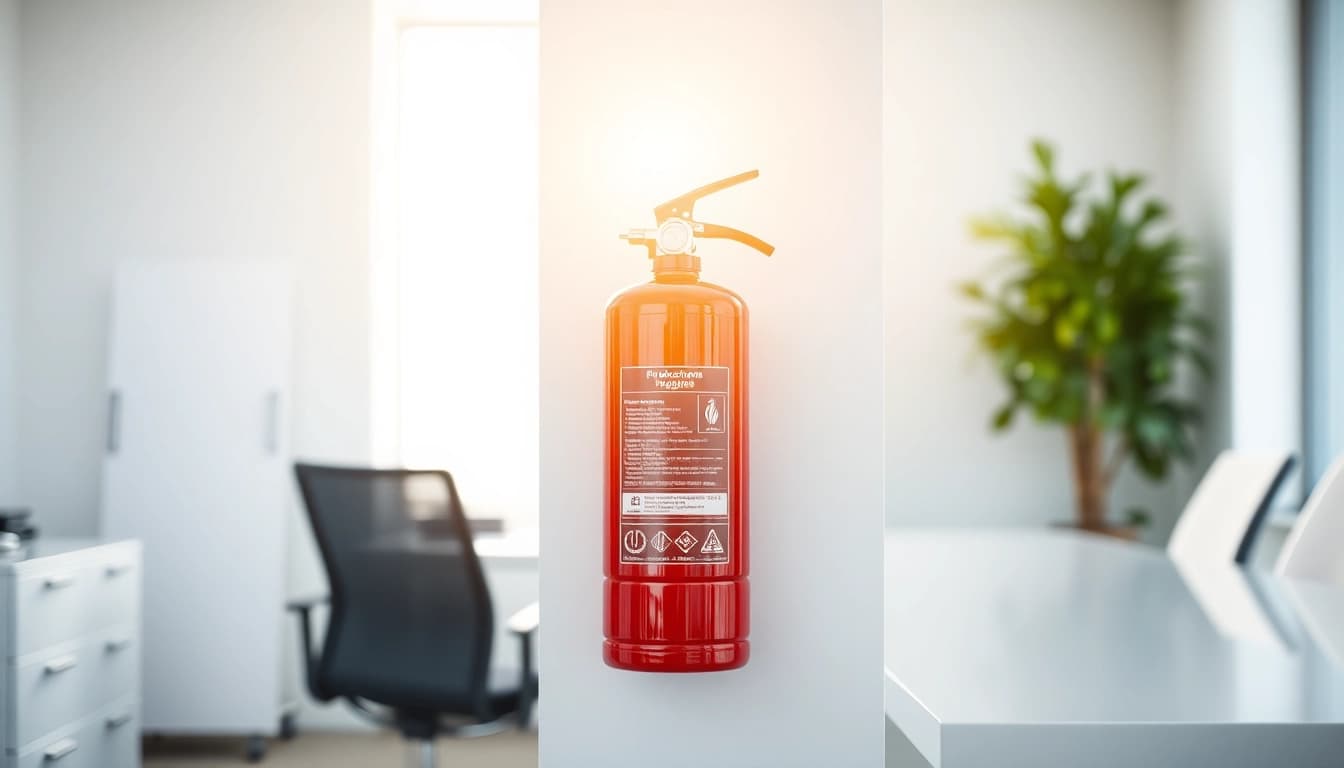
Understanding Electrical Fire Extinguishers
What is an Electrical Fire Extinguisher?
An electrical fire extinguisher is a specialized type of fire extinguisher designed to combat fires that involve electrical equipment. These fires can occur in various settings, including residential homes, commercial buildings, and industrial facilities, where appliances like computers, motors, and electrical panels might ignite. Unlike ordinary fire extinguishers, which may use water or foam, electrical fire extinguishers utilize non-conductive materials to effectively douse fires without posing electrical hazards.
How Do Electrical Fire Extinguishers Work?
Electrical fire extinguishers operate using specific agents tailored for Class C fires, which involve energized electrical equipment. The two most common types of extinguishing agents in these extinguishers are carbon dioxide (CO2) and dry chemical powders. CO2 extinguishers work by displacing oxygen, effectively suffocating the fire and lowering the temperature, while dry chemical extinguishers disrupt the chemical reactions occurring in the flames. Both types are effective for controlling electrical fires because they do not conduct electricity, making them safe to use around live electrical systems.
Why You Need an Electrical Fire Extinguisher
Fires can be unpredictable, and electrical fires, in particular, pose unique dangers due to their potential to spread rapidly and cause significant damage to property and personal safety. Having an electrical fire extinguisher nearby not only enhances safety but also ensures compliance with fire safety regulations that may be applicable to your facility or home. It's a crucial preventive measure that can save lives and property by allowing for prompt response before a fire escalates beyond control.
Types of Electrical Fire Extinguishers
Class C Fire Extinguishers Explained
Class C fire extinguishers are specifically designated for extinguishing fires that involve energized electrical equipment. Such fires can arise from faulty wiring, short circuits, or malfunctioning electronics. It is vital to use the correct Class C extinguisher as these are designed to prevent the risk of electrical shock while effectively suppressing the fire. Products under this category include powder extinguishers and CO2 extinguishers, both of which neutralize flames without conducting electricity.
Comparing CO2 vs. Dry Chemical Extinguishers
When selecting an electrical fire extinguisher, understanding the differences between CO2 and dry chemical extinguishers is critical:
- CO2 Extinguishers: These extinguishers release carbon dioxide gas, which reduces the amount of oxygen available to sustain the fire. They leave no residue, thereby preventing damage to sensitive electronic equipment, making them ideal for server rooms or laboratories.
- Dry Chemical Extinguishers: Commonly using a chemical called monoammonium phosphate, dry chemical extinguishers can extinguish fires by interrupting the chemical reaction fueling the fire. These are versatile and can be used for Class A, B, and C fires, offering optimal performance against flammable liquids and electrical fires.
Choosing the Right Size for Your Needs
Choosing the right size of an electrical fire extinguisher is vital for effective fire management. Extinguishers are available in various sizes, often measured by the amount of extinguishing agent they hold. Smaller extinguishers (2-5 lbs) can be suitable for homes or small offices, while larger units (10-20 lbs) may be necessary for industrial or commercial applications. In determining the size, consider factors such as the area’s fire hazard classification, the likelihood of an electrical fire, and the distance you can safely operate the extinguisher from any potential fire source.
Installing Electrical Fire Extinguishers Correctly
Optimal Locations for Installation
Installation of electrical fire extinguishers should be strategic to ensure maximum effectiveness. Here are some of the recommended locations:
- Near electrical panels, circuit breakers, or areas with substantial electrical equipment.
- In hallways or escape routes, ensuring they are easily accessible during emergencies.
- In kitchens where appliances that can cause electrical fires are located.
It's essential to avoid placing extinguishers in tight corners where accessibility is compromised. Additionally, ensure they are mounted at the appropriate height and away from potential hazards that could impede access during a fire.
Mounting Considerations and Best Practices
Proper mounting of electrical fire extinguishers enhances their visibility and accessibility. Follow these best practices:
- Mount the extinguisher using the manufacturer’s provided bracket, ensuring it is secured and stable.
- The top of the extinguisher should be reachable; typically no more than 5 feet from the ground for general use, or 3.5 feet for heavier units.
- Clearly label the extinguisher's location and ensure it is visible in case of an emergency.
Regular checks of the mounting integrity should also be performed to ascertain that the extinguisher remains accessible and securely attached.
Compliance with Fire Safety Regulations
It is critical to comply with local and national fire safety regulations regarding fire extinguishers. This may include proper placement, signage requirements, and ensuring that units are the appropriate type for the hazards present. Familiarize yourself with codes such as the National Fire Protection Association (NFPA) standards or local ordinances that outline the necessary precautions and requirements. Non-compliance can lead not only to fines but also to increased risk during an emergency when immediate use is required.
Maintaining Your Electrical Fire Extinguisher
Routine Inspections and Maintenance Tips
Regular inspections of your electrical fire extinguisher can make the difference between effective response and failure in an emergency. Conduct a monthly visual inspection to check for:
- Visible damage, corrosion, or leaks.
- Check the pressure gauge to ensure it is within the required range.
- Ensure that the safety pin is intact and the tamper seal is unbroken.
Additionally, professional servicing is recommended at least once a year. During this servicing, a technician will inspect the internal components, refill the extinguisher, and ensure that it complies with relevant safety standards.
Recognizing Signs of Expiration
Every fire extinguisher has a shelf life, after which it may not perform adequately. Look out for expiration dates, which can typically be found on the unit or in the manufacturer’s documentation. Signs of expiration may include:
- Corrosion or rust on the body.
- A pressure gauge showing that the unit is no longer within the operational range.
- Any visible damage to the nozzle or other components.
If your extinguisher exhibits these signs or has expired, it is essential to replace it immediately to ensure safety compliance and preparedness.
How to Properly Refill or Replace
When a fire extinguisher is discharged, it must be refilled or replaced promptly. Refilling involves contacting a licensed fire safety company that follows the appropriate procedures for the extinguisher type. In cases of extensive damage or age, full replacement may be necessary. Always ensure that replacements meet necessary safety certifications and match the needs of your environment.
Training and Emergency Preparedness
How to Use an Electrical Fire Extinguisher
Familiarity with how to use an electrical fire extinguisher is crucial for effective fire management. Remember the acronym PASS:
- Pull: Pull the pin to break the seal.
- Aim: Aim the nozzle at the base of the fire.
- Squeeze: Squeeze the handle to release the extinguishing agent.
- Sweep: Sweep the nozzle from side to side until the fire is out.
Training employees, family members, or any regular users of spaces where electrical fire extinguishers are installed can significantly increase the effectiveness of your emergency response plan.
Conducting Fire Drills and Safety Training
Regular fire drills should be scheduled in conjunction with safety training sessions. These drills should simulate potential electrical fire situations, allowing individuals to practice using an electrical fire extinguisher effectively. Ensure that employees or family members understand their roles during an emergency and the specific steps for safely evacuating if it becomes necessary.
Creating an Emergency Response Plan
Developing a well-structured emergency response plan is vital for any workplace or home. This plan should encompass clear instructions on evacuation routes, the roles of personnel during crises, and procedures for using an electrical fire extinguisher. Document the plan thoroughly, ensuring it is distributed and visible to all relevant individuals. Regular updates and training sessions should reinforce the importance of being prepared for emergencies.