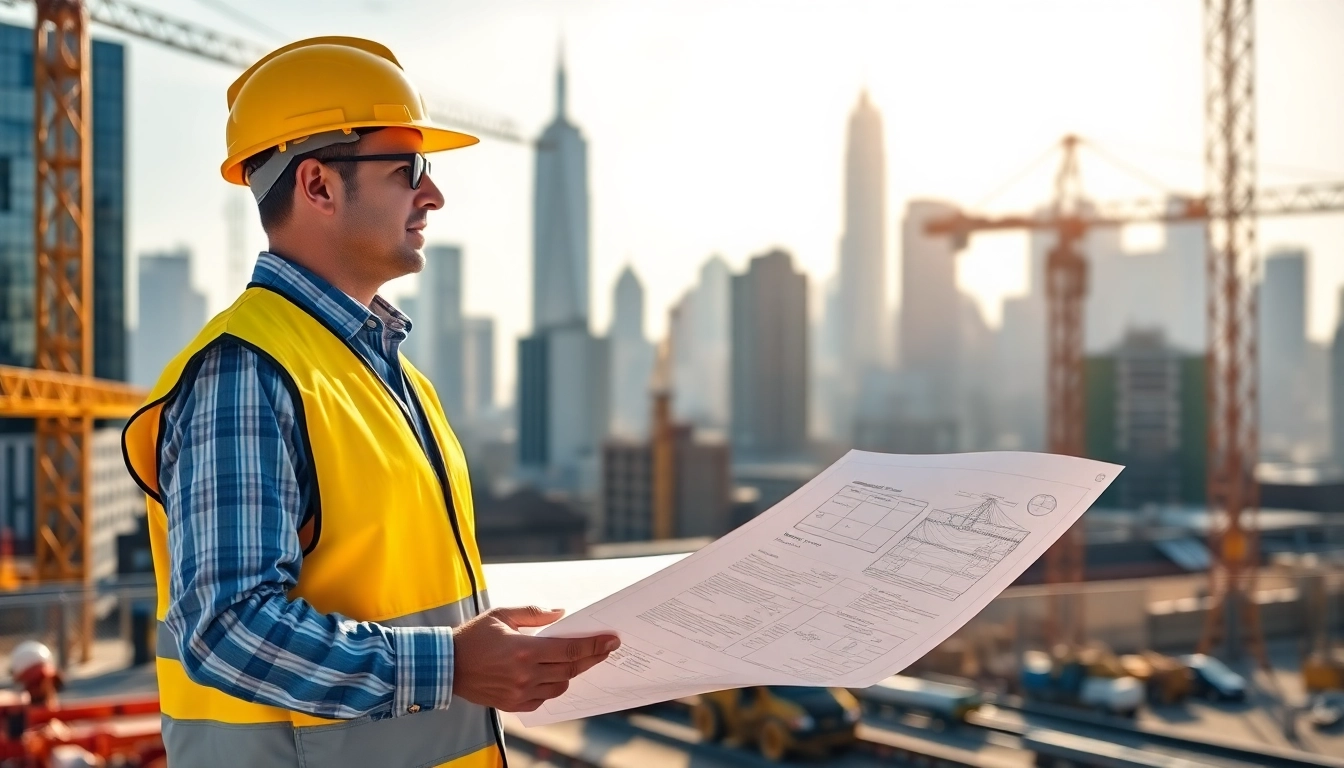
Understanding the Role of a Manhattan Construction Manager
The role of a Manhattan Construction Manager is pivotal in the construction industry, particularly in a bustling and competitive environment like Manhattan. They act as the linchpin of construction projects, ensuring that everything runs smoothly and efficiently. From managing budgets to coordinating with various stakeholders, a Manhattan Construction Manager is crucial in turning blueprints into reality. They are not just project overseers but strategic thinkers who align construction objectives with broader business goals. By comprehending the landscape of construction management, aspiring professionals and organizations can better appreciate the extensive responsibilities and expectations that come with this role, particularly when considering the contributions of a Manhattan Construction Manager.
Key Responsibilities and Skills
A Manhattan Construction Manager is responsible for a wide array of tasks ranging from planning and budgeting to overseeing construction operations on-site. The role encompasses several key responsibilities:
- Project Planning: Developing a comprehensive project plan that includes timelines, resource allocation, and project objectives.
- Budget Management: Establishing and maintaining the project budget, ensuring all expenditures align with financial constraints.
- Team Coordination: Leading a diverse team of architects, engineers, subcontractors, and laborers, ensuring unified collaboration toward project goals.
- Risk Management: Identifying potential risks to the project timeline or budget and implementing strategies to mitigate them.
- Communication: Maintaining open lines of communication with stakeholders, including investors, local authorities, and community members.
- Quality Control: Ensuring that all work performed meets safety regulations and project specifications.
Essential skills for a successful Manhattan Construction Manager include strong leadership capabilities, effective communication, problem-solving acumen, and financial literacy. The ability to navigate the intricacies of the construction landscape while adapting to unforeseen challenges is also critical.
Importance in Project Success
The importance of a Manhattan Construction Manager cannot be overstated. Their role is often the determining factor in whether a project is completed on time, within budget, and to the required quality standards. Effective management leads to fewer delays, lower costs, and higher quality outputs. Furthermore, they ensure compliance with local regulations and industry standards, minimizing legal and operational risks. Without a competent construction manager, projects can quickly become disorganized, which can lead to costly overruns and delays.
How They Collaborate with Stakeholders
Collaboration is at the heart of effective construction management. Manhattan Construction Managers work closely with a range of stakeholders, from clients and contractors to government officials and community members. Establishing solid relationships and fostering open communication lines ensures that all parties are aligned and that any potential issues are addressed promptly. This collaborative approach not only enhances project outcomes but also builds trust and rapport among all involved.
Essential Qualifications for a Manhattan Construction Manager
Educational Background
Typically, a Manhattan Construction Manager should possess a degree in construction management, civil engineering, or a related field. Such educational backgrounds provide foundational knowledge about construction processes, design principles, and project management methodologies. Because the field is constantly evolving, ongoing education and training are beneficial for staying abreast of the latest industry trends and technologies.
Certifications that Matter
In addition to formal education, there are several certifications that can significantly bolster a construction manager’s credentials, including:
- Project Management Professional (PMP): This globally recognized certification enhances project management knowledge and skills.
- Certified Construction Manager (CCM): A credential focused specifically on construction management knowledge, demonstrating a commitment to the profession.
- OSHA Training: Safety training certifications are crucial for ensuring compliance with workplace safety regulations.
Acquiring these credentials not only demonstrates a commitment to professionalism but also signals to potential employers a robust understanding of industry standards and best practices.
Experience Requirements
Experience is one of the most crucial factors when it comes to being a successful Manhattan Construction Manager. Many employers seek candidates with several years of experience in construction or project management roles. This hands-on experience helps managers understand the complexities of construction projects and effects on varying phases, from pre-construction to completion.
Internships and entry-level positions can provide invaluable experience, but actual project oversight, particularly in high-pressure environments, is often where prospective managers really hone their skills.
Best Practices in Construction Management Techniques
Effective Communication Strategies
Effective communication is key to successful construction management. Regularly scheduled meetings with stakeholders, clear documentation, and open channels for feedback can facilitate transparency and prevent miscommunication. Utilizing collaborative tools such as project management software allows team members to stay informed about project developments and changes.
Adopting a proactive communication approach, where potential issues are discussed before they escalate, can significantly enhance team dynamics and project flow.
Budget Management and Cost Control
One of the most critical aspects of construction management is mastering budget management. A Manhattan Construction Manager should utilize techniques such as value engineering and forecasting to control costs effectively. This involves analyzing project components to identify areas where savings can be made without compromising overall quality.
Regularly updating the budget based on actual costs versus projected figures can help in correcting course throughout the project lifecycle. Additionally, keeping stakeholders informed of budget status fosters trust and collaboratively addresses potential financial risks.
Risk Assessment and Mitigation
Risk assessment is a vital practice in construction management that involves identifying potential risks before they impact the project workflow. Well-developed mitigation strategies should be implemented to address risks ranging from funding shortages and staffing issues to environmental hazards. A comprehensive risk management plan completes an effective project management strategy, enhancing overall project resilience.
Documentation of potential risks and regularly updating the risk management plan ensures preparedness for any challenges that may arise, turning potential setbacks into manageable challenges.
Technological Advances Influencing Manhattan Construction Management
Software and Tools for Efficiency
The integration of technology has dramatically transformed construction management practices. Advanced software solutions such as Building Information Modeling (BIM), project scheduling tools, and enterprise resource planning systems enhance overall efficiency and collaboration. These tools enable real-time data sharing and resource tracking, which are essential in a fast-paced construction environment.
Investing in the latest construction management software can optimize workflow, reduce errors, and streamline communication across project teams.
Trends in Building Information Modeling (BIM)
BIM is a groundbreaking advancement in the construction industry that allows for detailed 3D modeling and enhanced collaboration between various stakeholders. Such technology provides construction managers with vital data throughout the project lifecycle, from design to execution. Implementing BIM in projects can lead to increased accuracy, reduced rework, and improved project outcomes.
Understanding and utilizing BIM effectively can give Manhattan Construction Managers a competitive edge in the complex landscape of urban construction.
Sustainable Practices through Technology
In recent years, sustainability has become increasingly important in construction management. Technology facilitates sustainable practices through energy-efficient building designs, waste reduction techniques, and sustainable material sourcing. Manhattan Construction Managers must stay informed on sustainable construction standards and technologies that are gaining traction, ensuring their projects align with environmental goals and community expectations.
Additionally, adopting sustainable practices can lead to cost savings in the long run while appealing to environmentally-conscious clients and stakeholders.
Case Studies Reflecting the Impact of the Manhattan Construction Manager
Successful Project Management Stories
Case studies showcasing successful project management provide valuable insights into the effectiveness of a skilled Manhattan Construction Manager. A standout example might highlight a complex urban redevelopment project where meticulous planning and stakeholder engagement led to its timely and within-budget completion. Lessons learned from such projects can impact future practices by emphasizing the importance of strategic planning and risk management.
Overcoming Challenges in Complex Builds
Every construction project faces challenges, particularly in a congested urban environment like Manhattan. Whether dealing with logistical hurdles, regulatory constraints, or unexpected site conditions, a skilled Manhattan Construction Manager will adapt strategies to overcome these obstacles. Case studies may illustrate innovative solutions, such as re-routing deliveries to minimize disruption or implementing advanced technologies to mitigate unforeseen challenges.
Measuring Performance and Success Metrics
To gauge success effectively, a Manhattan Construction Manager should implement clear performance metrics. These include adherence to timelines, budget compliance, quality of work, and stakeholder satisfaction. Analyzing data from concluded projects can reveal trends and expose areas for improvement, subsequently informing future project strategies. The continuous cycle of learning and adaptation can foster a culture of excellence in construction management.