
As the construction industry continues to evolve, businesses are seeking solutions that improve efficiency, reduce costs, and support faster project completion. Modern construction projects require building systems that offer both structural reliability and operational advantages. As a result, automated steel framing systems are becoming an increasingly popular choice among contractors, developers, and manufacturers.
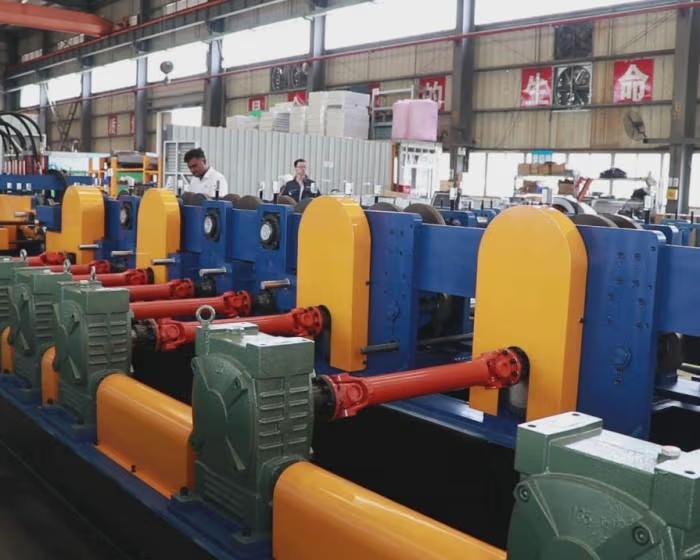
Automated steel framing combines advanced manufacturing technology with precision-engineered steel components to streamline the construction process. Equipment such as a cold formed steel machine and curving machine plays an important role in producing high-quality framing components that meet the demands of modern building projects. These technologies help businesses improve productivity while maintaining consistent quality standards.
The Growing Demand for Automated Steel Framing Systems
Construction companies face growing pressure to complete projects on time while controlling labor costs and maintaining high levels of quality. Traditional building methods can involve lengthy production processes and greater dependence on manual labor, which may affect overall project efficiency.
Automated steel framing systems provide an effective alternative by delivering precisely manufactured components that are ready for installation. This approach helps reduce construction delays and supports more efficient project management.
As commercial, industrial, and residential construction activity continues to expand, the demand for automated steel framing solutions is expected to grow.
Benefits of Automated Steel Framing Systems
Faster Project Completion
Automated manufacturing allows steel framing components to be produced quickly and accurately. Because components arrive ready for assembly, construction teams can complete installation more efficiently.
This helps reduce project timelines and improves overall productivity.
Consistent Product Quality
Advanced manufacturing equipment ensures that steel framing components are produced with precise dimensions and consistent quality. Uniform products help improve installation accuracy and reduce the likelihood of on-site adjustments.
Reliable quality contributes to better project outcomes and customer satisfaction.
Reduced Labor Costs
Automation minimizes the need for extensive manual fabrication and processing. This helps businesses optimize labor resources while maintaining efficient production and construction operations.
Lower labor requirements can contribute to significant long-term cost savings.
Improved Material Efficiency
Automated production systems are designed to maximize material utilization and reduce waste. Accurate manufacturing processes help ensure efficient use of raw materials throughout production.
This supports both cost-effective operations and sustainable construction practices.
Greater Design Flexibility
Modern steel framing systems can accommodate a wide variety of building designs and structural requirements. Manufacturers can produce customized components that meet specific project needs without sacrificing efficiency.
This flexibility makes steel framing suitable for many types of construction projects.
Applications of Automated Steel Framing Systems
Automated steel framing technology is commonly used in:
- Residential housing developments
- Commercial buildings
- Industrial facilities
- Educational institutions
- Healthcare buildings
- Modular construction projects
- Warehouses and storage centers
- Multi-story developments
These applications benefit from the speed, precision, and reliability provided by automated steel framing solutions.
Choosing the Right Manufacturing Equipment
The success of automated steel framing systems depends largely on the quality of the production equipment used to manufacture framing components. Businesses should consider factors such as machine accuracy, automation capabilities, production efficiency, and long-term reliability.
Manufacturers investing in a cold formed steel machine should evaluate its ability to produce consistent framing profiles efficiently. Similarly, a curving machine can provide additional flexibility by creating curved steel components for specialized architectural and structural applications.
Selecting the right equipment can help manufacturers improve productivity while meeting the evolving demands of the construction industry.
Conclusion
Automated steel framing systems offer numerous business advantages, including faster project completion, consistent product quality, reduced labor costs, improved material efficiency, and greater design flexibility. These benefits make steel framing an increasingly attractive solution for modern construction projects.
Whether utilizing a cold formed steel machine for framing production or a curving machine for specialized steel components, advanced manufacturing technology is helping businesses improve efficiency and remain competitive. As construction methods continue to evolve, automated steel framing systems will play an increasingly important role in shaping the future of the industry.