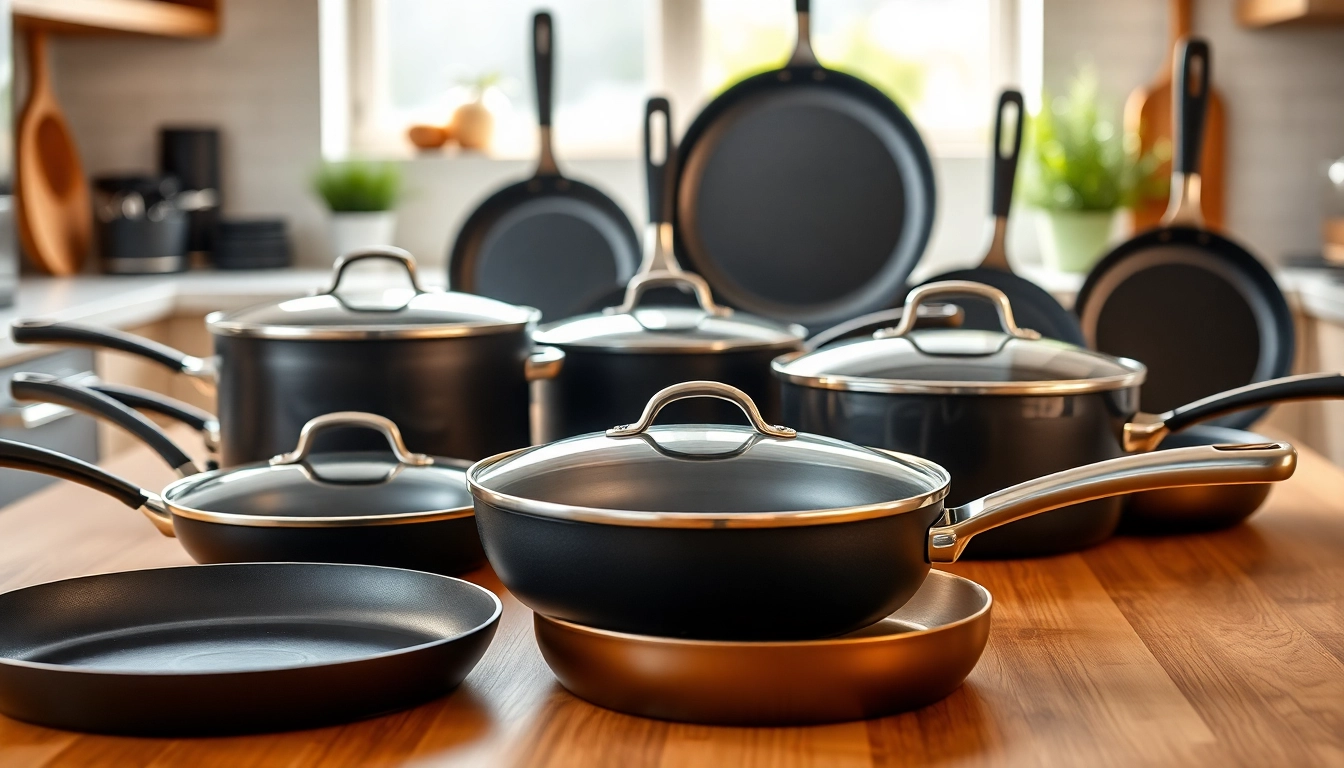
Why Choose the Best Nonstick Pan NZ?
Choosing the right cookware can significantly enhance your cooking experience, and nonstick pans are among the most popular options available today. When searching for the best nonstick pan NZ, it’s essential to understand their advantages and how they fit into your culinary needs. Nonstick pans offer unrivaled convenience, making meal preparation easier and cleanup simpler, but their unique properties come with a few considerations.
Understanding the Benefits of Nonstick Cookware
Nonstick cookware is favored by many due to several compelling benefits:
- Easy Food Release: The nonstick coating allows food to glide off the surface effortlessly, reducing the amount of oil or butter needed, thus promoting healthier cooking.
- Time-Saving Cleanup: With minimal sticking, washing your pans becomes quicker and easier, requiring less scrubbing and fewer harsh cleaning products.
- Versatile Cooking: Nonstick pans are suitable for various cooking techniques, from sautéing vegetables to frying eggs, allowing for a varied diet with minimal effort.
- Even Cooking: Many nonstick pans distribute heat evenly, which helps in achieving consistent cooking results.
Safety Considerations in Nonstick Pans
When using nonstick cookware, it’s paramount to consider safety. Some older nonstick coatings may contain harmful chemicals, such as PFOA. Fortunately, modern pans have moved towards safer alternatives without compromising performance. Verify that your chosen pan is labeled as PFOA-free to ensure a healthier cooking environment.
Impact on Cooking Techniques
The nonstick surface of these pans influences how you cook. Though less oil is required, be cautious of high temperatures, as overheating can cause deterioration of the nonstick layer. Adjusting cooking methods, such as using lower heat settings, is advisable to preserve both the cooking surface and food quality.
Key Features to Look for in Nonstick Pans
When searching for the best nonstick pan NZ, a few key features are critical in determining quality and usability:
Materials and Coatings Explained
Understanding the materials used in nonstick pans can help you make informed decisions. Common coatings include:
- PTFE (Teflon): A popular choice for its excellent nonstick properties, requiring moderate care to avoid scratches.
- Ceramic: A more recent alternative that is chemically inert and free from PTFE. It can withstand higher temperatures but may not be as durable over time.
- Hard-Anodized Aluminum: Often paired with nonstick coatings, this material is sturdy and less prone to warping.
Durability and Heat Resistance
Durability is a critical factor in your selection. Ensure the pan you choose can withstand high temperatures and resist scratches. A higher grade of nonstick coating tends to offer better durability, providing a longer-lasting cooking surface.
Compatibility with Cooking Surfaces
Ensure your chosen nonstick pan is compatible with your cooking surface. Some nonstick pans are not suitable for induction cooktops, while others may not respond well to high-heat sources. Check the manufacturer's guidelines to avoid compatibility issues.
Comparative Analysis of Popular Nonstick Pans
Many brands and models are available, making it essential to compare your options carefully. Here are some considerations in the analysis:
Top Models Available in NZ 2023
Some of the best nonstick pans on the market in New Zealand have garnered positive customer feedback and expert recommendations. Look into options that have been tested for performance, safety, and ease of cleaning.
Budget vs. Premium Options
Deciding between budget and premium nonstick pans largely depends on your cooking habits and commitment to maintenance. Budget pans may suffice for occasional cooking, while premium pans often provide better durability and performance characteristics suited for daily use.
User Reviews and Experiences
Before finalizing your purchase, consider checking user reviews and experiences. Gathering insights from those who have utilized the pans can guide you to make a choice that aligns with your expectations and needs.
Caring for Your Nonstick Pan
Proper care and maintenance significantly influence the lifespan of your nonstick cookware. Here are tips for prolonging the life of your pan:
Best Practices for Longevity
To extend the life of your nonstick pans:
- Use gentle utensils: Opt for silicone or wooden spatulas instead of metal.
- Avoid high heat: Use low to medium heat settings to prevent damage.
- Store properly: Avoid stacking your nonstick pans unless you have protective liners.
How to Clean Your Nonstick Pan
Cleaning your nonstick pan requires a gentle approach. You can use warm soapy water and a soft sponge to avoid scratching the surface. For stubborn residues, allow the pan to soak to loosen stuck-on food before gently cleaning.
Avoiding Common Mistakes
Common mistakes include using metal utensils and intensively scrubbing with abrasive sponges, both of which can ruin the nonstick coating. Instead, adopt gentler cleaning practices and utensils that preserve the nonstick surface integrity.
Frequently Asked Questions
What materials are used in the best nonstick pan NZ?
The best nonstick pans typically use PTFE, ceramic, or hard-anodized aluminum coatings, each offering different properties of safety and durability.
Are nonstick pans safe for high temperatures?
It’s advisable to avoid high temperatures with nonstick pans, as overheating can damage the nonstick coating. Stick to low or medium heat settings for optimal results.
Can I use metal utensils on nonstick coatings?
Using metal utensils can scratch and damage nonstick coatings, leading to compromised performance. Opt for silicone or wooden utensils instead.
How do I determine the size of a nonstick pan I need?
Consider the volume of food you typically cook and the number of servings needed. Common sizes range from 20 cm to 30 cm in diameter to accommodate various meal types.
What are the signs of wear in a nonstick pan?
Signs of wear include peeling or flaking of the coating, scratches on the surface, or food sticking when it previously did not, indicating it may be time for a replacement.