What is a Traditional Economy?
Definition of traditional economy definition simple
A traditional economy can be described as an economic system that relies heavily on customs, history, and long-held beliefs to govern production and consumption activities. In this type of economy, goods and services are often exchanged through a traditional economy definition simple without the use of money. Trade is primarily facilitated through barter, where items are swapped based on mutual agreement of value, which is often culturally defined.
Historical Context of Traditional Economies
Traditional economies have been the backbone of human life since the dawn of civilization. These systems often arose in small communities where members needed to rely on one another for subsistence rather than external markets. Historical societies demonstrated a profound connection to their environment, each creating distinct methods of managing resources and trade cycles. The agricultural practices developed over centuries ensured food security, while contributions from craftsmen fortified social structures.
Importance of Culture and Community
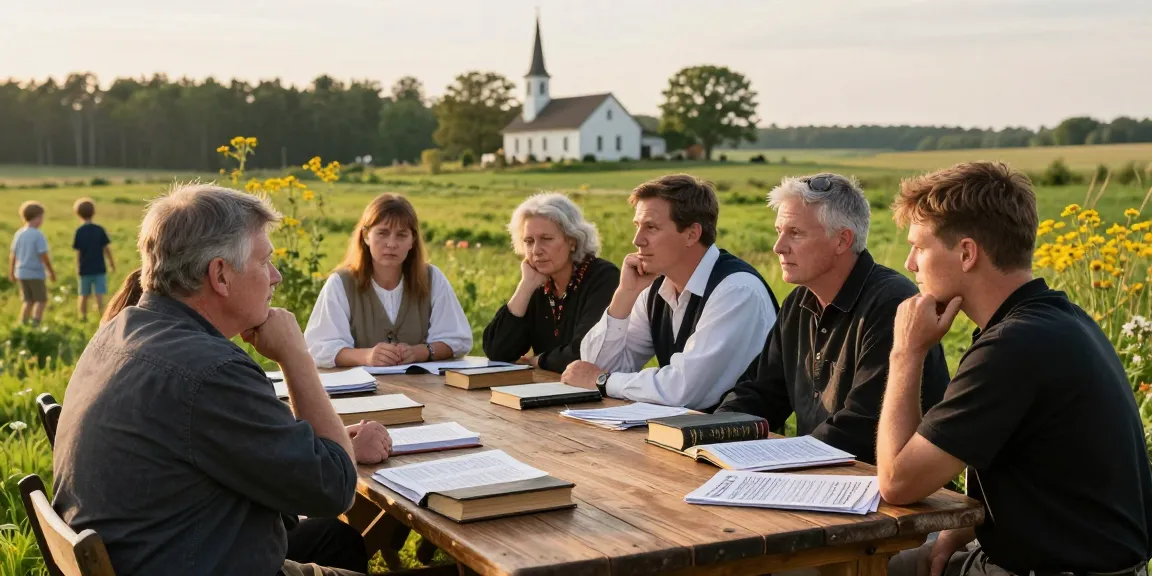
At the heart of traditional economies lies culture—the shared beliefs, practices, and values that shape a community's identity. Cultural norms dictate the modes of economic activity, influencing how goods are produced and exchanged. Community engagement is paramount; social bonds are strengthened through collaborative efforts in farming, trading, and crafting. These economic practices not only nurture interdependence but also preserve cultural heritage, ensuring that knowledge and skills are transferred to future generations.
Key Characteristics of Traditional Economies
Barter System in Traditional Economy Definition Simple
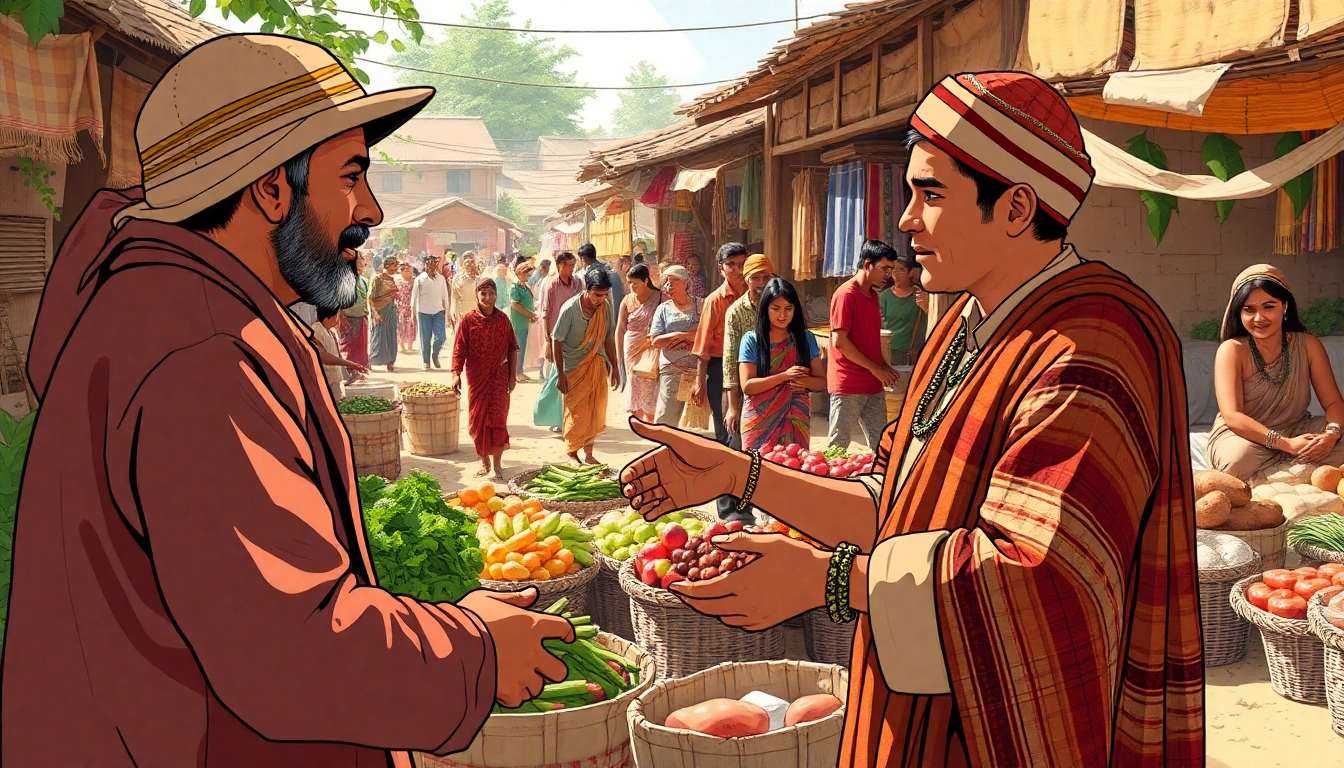
One of the defining features of traditional economies is the barter system. This non-monetary exchange involves trading goods and services directly. The lack of a formal currency system relies on mutual trust and understanding among community members. The bargaining process reflects individual needs and availability of resources, fostering relationships based on reciprocity and social obligation.
Role of Agriculture and Craftsmanship
Agriculture serves as the foundation of traditional economies. It not only provides food but also creates the basis for social organization, cultural practices, and trade relationships. In many societies, craftsmanship complements agricultural output, resulting in specialized trades that enhance community integration. Artisans create tools, clothing, and housing materials, all of which are rooted in local resources and traditional crafting techniques, showcasing the ingenuity of the community.
Importance of Trade Networks
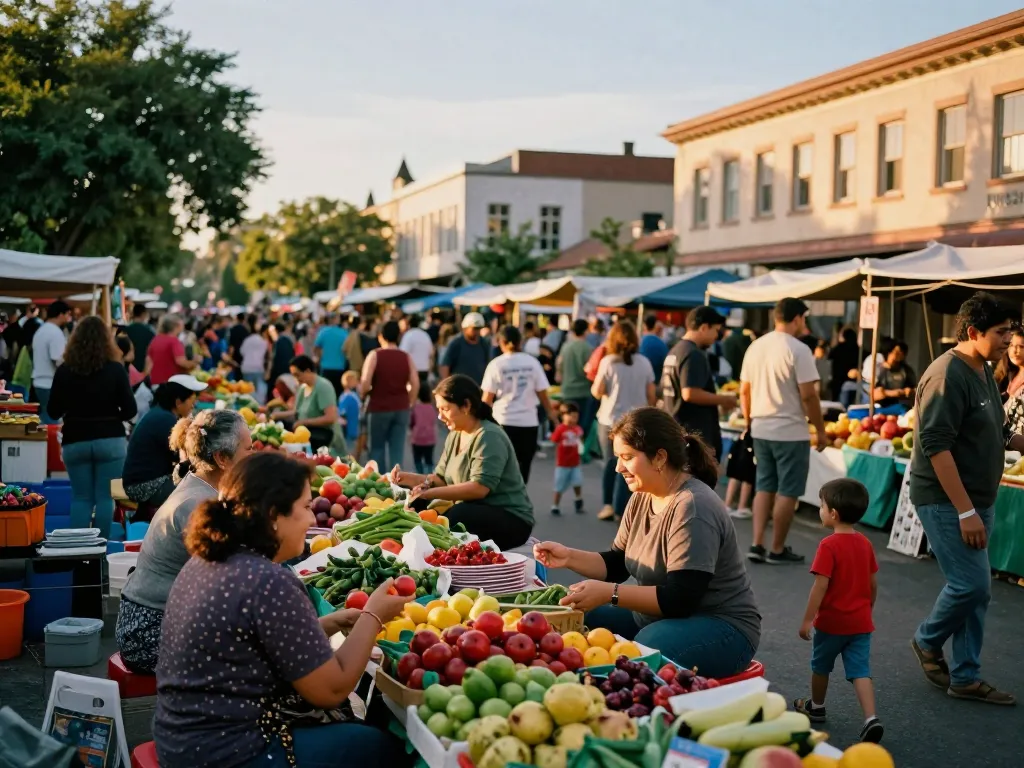
A successful traditional economy is often characterized by extensive trade networks. Communities establish connections based on mutual needs, trading surplus goods for those that are otherwise unavailable. These trade routes facilitate the exchange of not only material goods but also cultural ideas and social practices. Over time, these connections may evolve into more structured systems, yet they maintain the fundamental ethos of reciprocity and community welfare.
Advantages of Traditional Economies
Sustainability and Resourcefulness
Traditional economies are frequently touted for their sustainability. By operating within local resource constraints, these economies emphasize the importance of conserving natural resources while promoting regenerative practices. Communities typically develop methods that leverage local biodiversity, leading to sustainable agricultural practices and minimizing environmental degradation. Resourceful adaptation of technologies and techniques ensures that the economic system remains viable across generations.
Community Bonding and Social Structures
In traditional economies, community bonding is a significant advantage. Social structures are woven through shared economic activities, fostering cooperation and belonging. These close-knit communities experience lower levels of alienation compared to those in market-driven economies. Social roles are clearly defined, giving individuals a sense of purpose and identity while also facilitating collaborative problem-solving in times of need.
Resilience in Economic Downturns
Traditional economies typically exhibit heightened resilience during economic downturns. While modern market economies may suffer from external shocks, traditional communities are often self-sufficient, relying on local resources and social networks to cushion against financial crises. This adaptability presents a strong counter-example to dependency on global supply chains, showcasing the importance of localized economic systems.
Challenges Facing Traditional Economies
Modernization and Globalization Effects
The rise of globalization and modernization presents numerous challenges for traditional economies. Outer influences can erode local practices and customs, leading to cultural dilution. Market forces often intrude, making it difficult for traditional practices to compete. As young people migrate to urban areas in search of modern employment opportunities, traditional systems risk losing their labor base and cultural identity.
Technology Barriers
While technology has improved many aspects of life, its introduction poses a significant challenge to traditional economies. Many communities face barriers to accessing the technology needed to innovate or streamline production processes. The imposition of new technologies can lead to cultural disruptions, as traditional practices may be sidelined or deemed obsolete. Balancing technological integration with cultural preservation is necessary to navigate this challenge.
Access to Wider Markets
Another challenge traditional economies face is gaining access to wider markets. Traditional producers may struggle to connect with broader economic systems that emphasize efficiency and mass production. Limited marketing knowledge and resources often restrict them from breaking into regional or global markets. Strategies to enhance market access while maintaining traditional values are crucial for sustaining these economic systems.
Case Studies of Traditional Economies Today
Examples of Thriving Traditional Economies
There are shining examples of traditional economies thriving globally, often adapting to modern challenges while retaining core values. Indigenous communities in regions such as the Amazon rainforest demonstrate their capabilities to sustain their economies through environmentally friendly practices and mutual aid. Furthermore, many Pacific Islander communities maintain traditional fishing and farming practices that have existed for generations, incorporating innovative sustainability practices.
Modern Adaptations and Practices
Many traditional economies have integrated modern practices while maintaining their cultural identity. Initiatives promoting local artisan products leverage social media marketing to enhance visibility and reach consumers beyond local markets. Additionally, organic farming methods have gained popularity, allowing traditional farmers to capitalize on growing interest in sustainability. Such adaptations can provide economic stability without sacrificing traditional values.
Lessons Learned from Traditional Systems
Contemporary societies can learn a wealth of lessons from traditional economies. The significance of community, mutual aid, and resource sustainability can inform modern economic practices. An understanding of the trade-offs associated with modernization raises awareness of the importance of cultural heritage. By adopting insights from traditional economies, contemporary societies can work towards more resilient and sustainable economic systems.
FAQs
What is a traditional economy definition simple?
A traditional economy is one that relies on customs, history, and time-honored beliefs. Goods are often exchanged directly through barter.
How do traditional economies function?
These economies rely on the production of goods for local consumption and often function on barter without monetary exchange.
What are the key characteristics of a traditional economy?
They typically include agriculture, barter systems, community engagement, and often involve little technological advancement.
Are traditional economies sustainable?
Yes, traditional economies tend to be sustainable as they operate within local resource limits and prioritize community welfare.
How do traditional economies adapt to modern challenges?
Many integrate modern practices into their systems while trying to maintain their cultural identity and methods.