The Importance of British Pond Plants in Aquatic Ecosystems
British pond plants play a vital role in the health and biodiversity of aquatic ecosystems. These native species are not just aesthetically pleasing; they serve as crucial components of the habitats in which they thrive. As we delve deeper into their significance, we will explore how these plants contribute to biodiversity, provide essential benefits for wildlife, and protect the overall health of ponds and other water bodies. When exploring options, British Pond Plants offer a wealth of variety for gardening enthusiasts and ecological advocates alike.
Understanding Biodiversity and Habitats
Biodiversity refers to the variety of life forms within a given ecosystem, and it is paramount for sustaining ecological balance. British pond plants contribute richly to this biodiversity by offering shelter, food, and breeding grounds for various species, including amphibians, birds, and insects. Diverse aquatic plants create habitat complexity, which not only provides shelter for smaller creatures but also establishes a balanced food web. Species such as the water lily (Nymphaea) and marsh marigold (Caltha palustris) can serve as indicators of water quality and ecosystem health, making their presence essential in any naturalistic pond setting.
Benefits of Native Plants for Wildlife
Utilising native British pond plants fosters a healthier environment for local wildlife. These plants have co-evolved with the fauna in the region, making them more compatible than non-native species. They provide nourishment in the form of nectar and seeds, essential for pollinators like bees and butterflies, while also supporting a plethora of aquatic life. For instance, plants such as hornwort (Ceratophyllum demersum) not only offer habitat but also aid in oxygenating the water, benefiting fish and other aquatic organisms. Furthermore, native plants can help control pest populations, thereby promoting a balanced ecosystem.
Protecting Pond Health with Plant Choices
The selection of appropriate plants is critical to maintaining pond health. British pond plants naturally regulate water temperature, improve water clarity, and minimize algae blooms through nutrient uptake. For example, species such as the common reed (Phragmites australis) can filter pollutants and stabilize shorelines, preventing erosion. Moreover, by selecting a mix of submerged, emergent, and floating plants, pond owners can ensure that their aquatic environment remains stable and supports diverse life forms. Implementing a planted buffer zone around a pond can further enhance this protective effect, helping to prevent runoff and maintain water quality.
How to Choose the Right British Pond Plants
Evaluating Your Pond’s Environment
Before selecting plants, it’s essential to evaluate the specific environment of your pond. Factors such as water depth, sunlight exposure, and soil type significantly influence plant growth. For instance, shallow areas are ideal for species like water lilies, while deeper sections may be better suited for submerged plants such as eelgrass (Vallisneria). Additionally, understanding the climate in your region will also guide your selections, ensuring that chosen plants can thrive in local weather conditions.
Matching Plants to Water Conditions
Different pond plants prefer varied water conditions, including varying levels of pH, temperature, and salinity. Native British pond plants have adapted to local water bodies and exhibit preferences that need to be considered for successful growth. Monitoring these conditions will not only help you maintain a healthy pond but will also optimize the growth potential of your chosen plant species. Researching the specific needs of each plant is crucial for creating a thriving aquatic ecosystem.
Seasonal Considerations for Plant Selection
When planning your pond garden, considering the seasons will help you make informed plant choices. Certain plants may display vibrant blooms in summer, while others provide winter interest or foliage. Seasonal planting can enhance your pond’s aesthetic appeal year-round. For instance, blue flag iris (Iris versicolor) blooms in spring and attracts various pollinators, while plants like yellow flag iris (Iris pseudacorus) thrive in late spring and summer. By selecting a mix of seasonal flowering plants, you can ensure vibrant color and wildlife activity throughout the year.
Planting and Maintenance Tips for Success
Optimal Planting Techniques for British Pond Plants
Successful planting starts with the right techniques. When introducing new plants, it’s essential to establish them at the appropriate depth based on their requirements—generally, submerged plants should be placed below the waterline, while emergent plants can be planted at the water’s edge. Building plant baskets or using aquatic planting media can also help anchor plants while promoting healthy root growth. Make sure to avoid overcrowding, allowing each species sufficient space to flourish.
Regular Maintenance: Water Quality and Plant Health
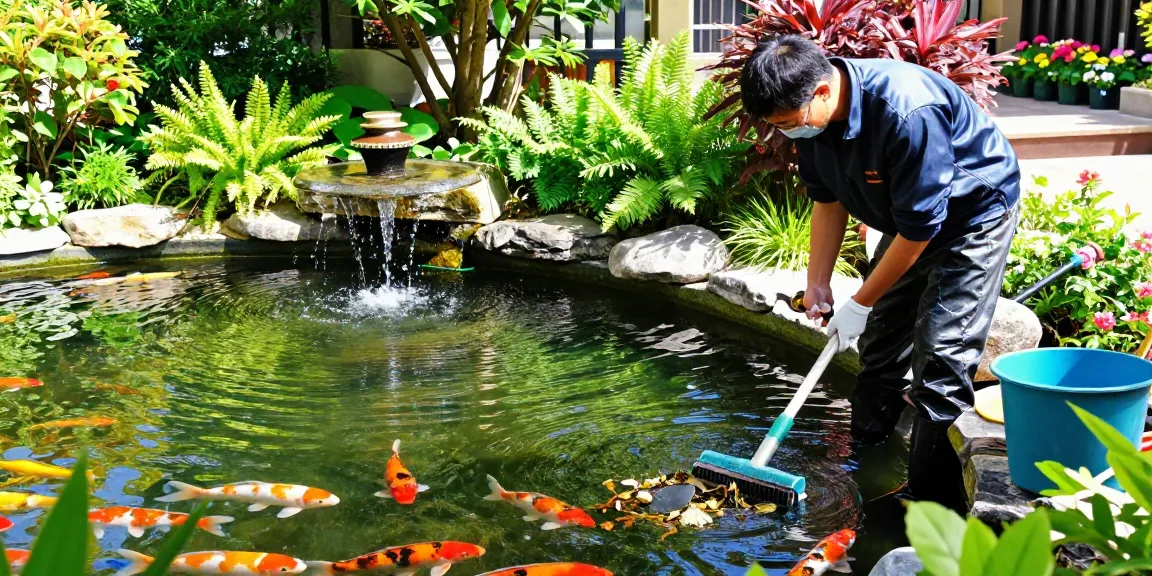
Maintaining optimal water quality is key to the success of your pond plants. Regular testing of pH, nutrient levels, and clarity can help you monitor the ecosystem’s health. You may need to adjust water chemistry as necessary and perform regular cleaning to remove debris that could hinder plant growth. Additionally, periodic pruning and division of overgrown plants can improve overall health and aesthetics. Keeping an eye on plant health will allow you to intervene early if problems arise.
How to Control Invasive Species Effectively
Invasive species pose a significant threat to local biodiversity and can outcompete native plants for resources. Early detection and swift action are critical in managing invasive species such as the Canadian pond weed (Elodea canadensis). Regular inspections and the use of natural deterrents, like introducing certain fish species that consume invasive plants, can help maintain balance. Additionally, educating yourself about the invasive species prevalent in your area will empower you to prevent their introduction to your pond.
Creative Landscaping Ideas with British Pond Plants
Designing a Naturalistic Pond Garden
A naturalistic pond garden creates an authentic and inviting atmosphere. The key is to incorporate a variety of British pond plants that mimic the natural settings of local water bodies. Using a diverse array of plant types, from floating leaves to towering reeds, can create depth and visual interest. Native plants like water mint (Mentha aquatica) and yellow loosestrife (Lysimachia vulgaris) can provide layers and textures, enhancing the overall aesthetic of the pond.
Using Plants to Create Visual Interest
Plant placement plays a crucial role in creating visual interest around your pond. Grouping plants in clusters rather than randomly dispersing them creates a sense of harmony and design. Additionally, choosing species with varying heights and colors can provide dramatic contrasts. Planting alongside pathways or seating areas allows you to enjoy their beauty while drawing wildlife closer to your living space.
Incorporating Hardscapes and Decoration
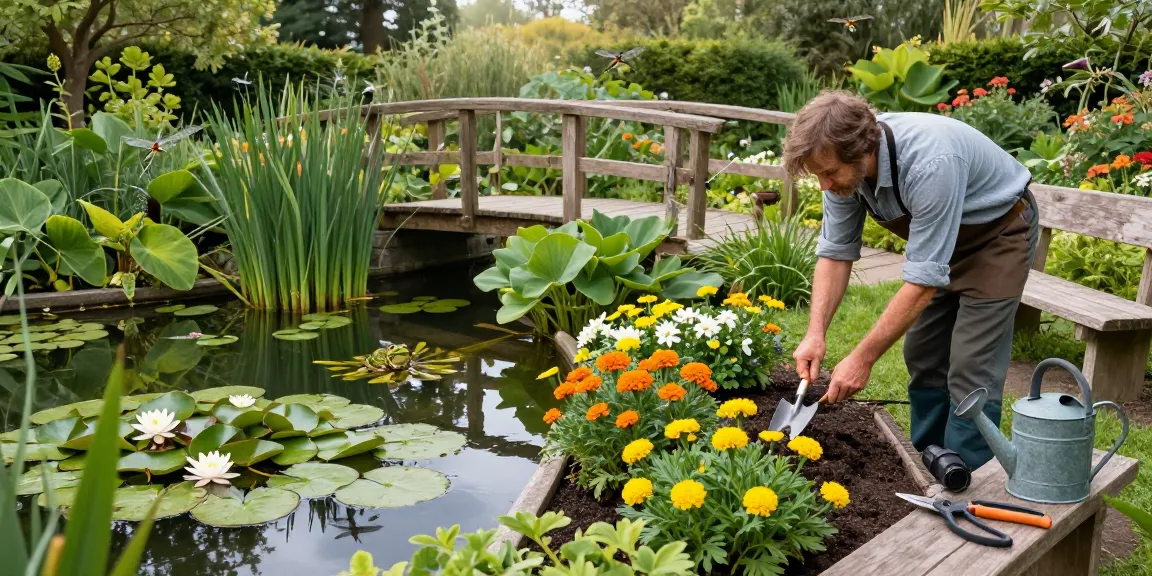
The inclusion of hardscapes—such as stones, wooden borders, and bridges—can enhance the beauty of a pond garden. These elements can frame your aquatic plants and create a serene retreat that invites both wildlife and human visitors. When designing your pond, consider integrating features like a waterfall or stream, which can improve oxygenation and add soothing sounds to your outdoor space.
Future Trends in British Pond Plant Cultivation
Innovative Practices for Sustainable Gardening
As ecological awareness increases, innovative practices in pond plant cultivation are gaining momentum. Eco-friendly gardening techniques, such as using rainwater collection systems and organic fertilizers, are becoming more mainstream. Community initiatives encouraging local biodiversity and the use of native plants are also rising, as homeowners seek to create sustainable habitats that support local wildlife.
Emerging Plant Varieties to Watch for in 2026
As we look forward to 2026, certain emerging plant varieties are gaining popularity among pond enthusiasts. New cultivars that exhibit improved resistance to pests and diseases are being developed, ensuring healthier ecosystems. Additionally, hybrids between native species are being explored for their potential to thrive in urban environments while fostering ecological balance.
Community Engagement and Education Initiatives
Community involvement in pond conservation is crucial for promoting awareness and education on British pond plants. Workshops and local meet-ups are gaining traction, creating platforms where enthusiasts can share knowledge, exchange plants, and learn about sustainable practices. Such initiatives not only enhance biodiversity but also foster a sense of community and responsibility towards preserving local ecosystems.
What are the best types of British pond plants?
The best types of British pond plants vary based on your pond’s condition, but common favorites include water lilies, marsh marigolds, and bulrushes, each contributing uniquely to the ecosystem.
How do I maintain water quality in my pond?
Maintain water quality by regularly testing pH levels, controlling nutrient input, and ensuring adequate oxygenation through plant dynamics and potentially adding aeration devices.
What are the benefits of native plants for pond ecosystems?
Native plants provide essential habitat, enhance biodiversity, and require less maintenance, making them ideal for fostering healthy aquatic ecosystems.
Can I combine different species of pond plants?
Yes, combining different species can enhance biodiversity and resilience in your pond, as long as their growing conditions and ecological needs align.
How do I prevent invasive plants from taking over?
Prevent invasive plants by conducting regular monitoring, promptly removing unwanted species, and carefully planning your plant selections to maintain balance.