
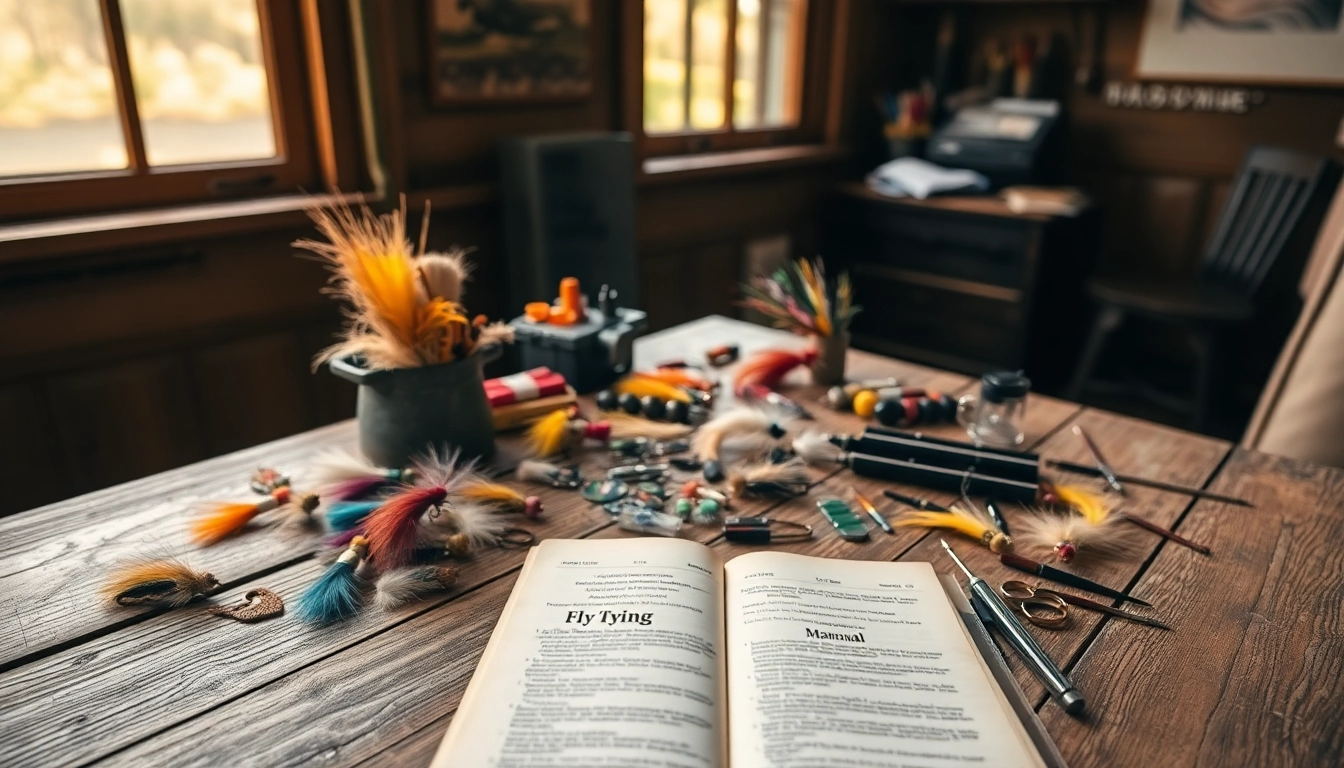
Introduction to Fly Tying
Fly tying is an art form that marries creativity with skill, allowing anglers to craft original flies that mimic the natural food sources of fish. With its deep-rooted history and evolving techniques, fly tying has become a fundamental aspect of fly fishing, enabling enthusiasts to enhance their experience on the water. Whether you’re a seasoned veteran or a beginner, understanding the intricacies of fly tying can significantly improve your fishing success.
What is Fly Tying?
At its core, fly tying is the process of creating artificial flies designed to catch fish using specific techniques and materials. Anglers meticulously assemble various components, including hooks, threads, feathers, and furs, to imitate the appearance and movements of aquatic life. The end goal is to produce flies that are not only visually appealing but also functional in attracting fish.
History and Evolution of Fly Tying
The origins of fly tying date back centuries, with evidence suggesting that ancient civilizations employed similar techniques for fishing. The art became more formalized in the 19th century, particularly in England and America, where patterns began to diversify, and specialized materials were developed. Over the years, fly tying has continued to evolve, with anglers creatively experimenting with new materials and designs, resulting in a wide array of fly patterns suited for different fishing conditions.
Importance of Fly Tying in Fishing
Fly tying plays a crucial role in the fly fishing experience. Custom-tied flies can be tailored to match local hatch patterns, increasing the chances of a successful catch. Additionally, the skill enhances an angler’s relationship with the environment, as understanding the intricacies of aquatic life and their behaviors becomes paramount. Moreover, mastering fly tying fosters a sense of accomplishment and can be a deeply gratifying hobby in itself.
Essential Tools for Fly Tying
Must-Have Fly Tying Tools
When starting out in fly tying, having the right tools is essential. Key tools include:
- Fly Vise: A sturdy vise holds the hook in place while you work.
- Scissors: Precision scissors allow for accurate cutting of materials.
- Thread Bobbin: A bobbin manages the thread, ensuring tight wraps.
- Bodkin: This needle-like tool helps apply epoxy and other adhesives.
- Hackle Pliers: These are used to grip hackles (feathers) while wrapping them around the hook.
Choosing the Right Materials
The selection of materials can make or break your fly tying experience. Common materials include:
- Hooks: Available in various sizes and styles, the hook is the backbone of every fly.
- Threads: Different colors and thicknesses provide versatility.
- Fur and Feathers: These provide texture and color, mimicking natural prey.
- Substitutes: Innovative materials like synthetics can enhance durability and movement.
Organizing Your Fly Tying Workspace
A well-organized workspace can dramatically enhance your fly tying efficiency. Here are some tips for setting up your station:
- Designate a space: Ensure you have ample room for your tools and materials.
- Use containers: Organizers for hooks, threads, and materials help maintain order.
- Good lighting: Proper lighting is essential for detailed work, helping you see colors and textures clearly.
Basic Techniques in Fly Tying
Understanding Patterns and Design
Every fly ties into a specific pattern designed to attract particular species. Familiarity with common patterns such as dry flies, wet flies, and nymphs helps you select the right technique for your fishing situation. Analyzing the movements and presentations of these patterns can greatly enhance your fishing strategy.
Simple Knots and Thread Techniques
Mastering simple knots is crucial for securing materials and maintaining the integrity of your constructed flies. Some essential knots include:
- Half Hitch: A fundamental knot used to finish a fly.
- Trilene Knot: A versatile knot good for securing tippets to hooks.
Understanding how to properly wrap threads and use different techniques, such as the whip finish, will enhance the overall quality of your flies.
Casting Techniques for Beginners
Even if you craft the best flies, proper casting techniques are critical for a successful fishing outing. Beginners should focus on mastering the basic cast, allowing for accurate and efficient presentations of the fly. Practicing your timing, rod angle, and line control can make a significant difference when on the water.
Advanced Fly Tying Techniques
Experimenting with Innovative Materials
As you gain proficiency in fly tying, consider incorporating innovative materials such as foam, synthetics, or even unconventional items like rubber bands. These materials can add unique qualities to your flies, such as buoyancy or movement, making them more enticing to fish.
Crafting Custom Fly Patterns
The beauty of fly tying lies in its creative possibilities. Crafting custom fly patterns tailored to your local fishing conditions and favorite species can significantly impact your success rates. Experimenting with different colors, shapes, and materials encourages personal expression and may lead to discovering unique patterns that resonate with local fish populations.
Refining Skills with Practice
Refining your fly tying skills takes time and practice. Joining local fly tying groups or online communities can provide inspiration and constructive feedback. Regular practice not only improves your technical skills but also builds confidence, pushing you to experiment and innovate.
Frequently Asked Questions about Fly Tying
What materials do I need to start fly tying?
You need a vise, tools like scissors and a thread bobbin, and a variety of tying materials including hooks, threads, and feathers to begin fly tying.
How long does it take to learn fly tying?
Learning the basics of fly tying can take just a few hours, but mastering advanced techniques may require months or even years of practice.
Can I tie my own flies on a budget?
Absolutely! Start with basic materials and tools to minimize costs, then gradually invest in more as your skills and needs grow.
What types of flies can I tie?
You can tie a wide range of flies, including dry flies, wet flies, nymphs, and streamers, tailored to different fish species and water conditions.
Are there online resources for learning fly tying?
Yes, numerous websites, forums, and video tutorials provide excellent guidance for beginners and seasoned tyers, covering various techniques and styles.