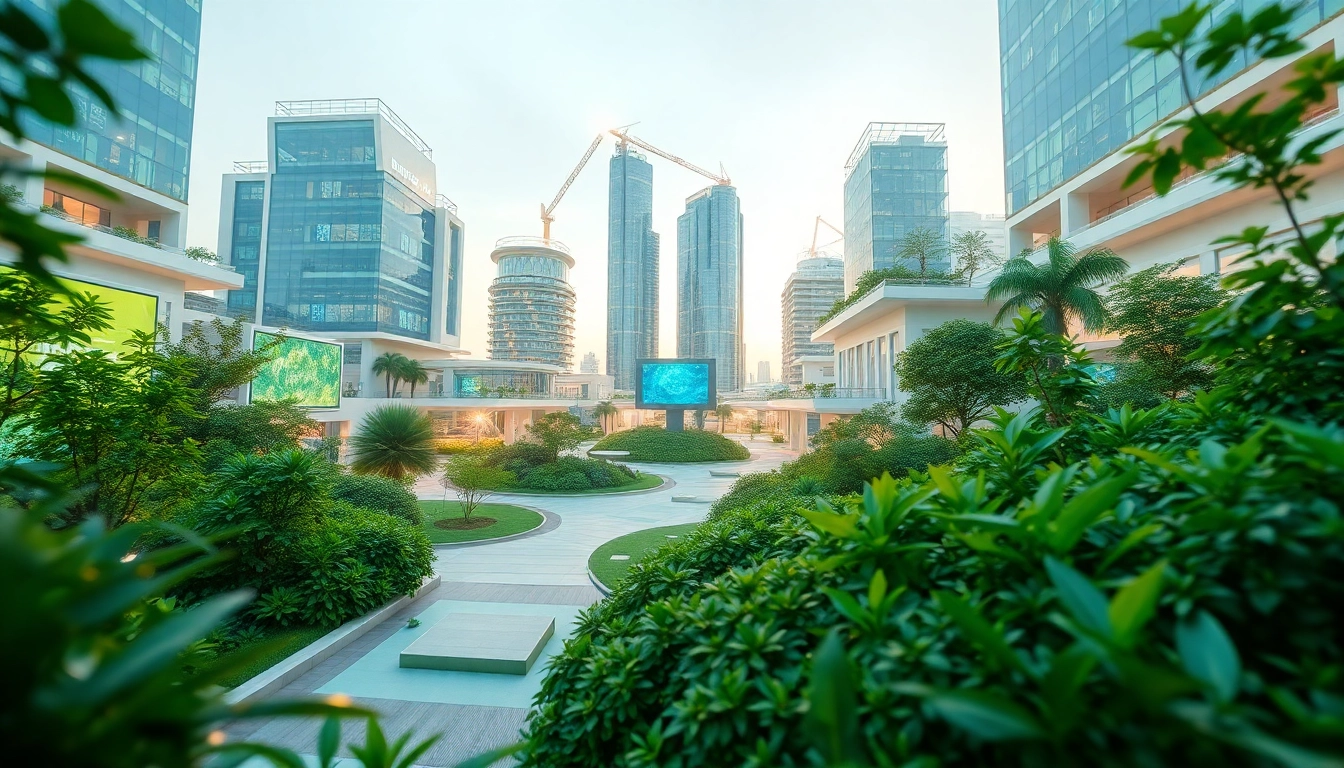

Understanding the Role and Responsibilities of an Urban Planner
An urban planner plays a critical role in shaping the sustainable development of communities. They work at the intersection of design, policy, and community needs, transforming abstract concepts into actionable plans. This article explores the extensive responsibilities of urban planners, their educational pathways, the tools they use, their impacts on sustainability, and emerging trends in the profession.
What is an Urban Planner?
Definition and Scope of an Urban Planner
An urban planner, also known as a town planner, is a professional dedicated to the management of land use and development in urban areas. Their scope includes residential zoning, commercial redevelopment, transportation systems, and sustainable land use policies that enhance community well-being, economic efficiency, and environmental protection.
Key Responsibilities of an Urban Planner
The responsibilities of an urban planner encompass a broad range of activities, including:
- Conducting research and analyzing data to inform planning decisions.
- Engaging with community stakeholders to gather input and build consensus.
- Drafting comprehensive plans that include land use, transportation, and public spaces.
- Reviewing development proposals and site plans to ensure compliance with local regulations and community goals.
- Advocating for sustainable practices and policies that benefit the community.
Importance of an Urban Planner in Community Development
Urban planners are pivotal in integrating community goals with sustainable development practices. They facilitate dialogue between government entities, private developers, and community members, ensuring that urban development aligns with the public interest. By addressing issues such as affordable housing, transportation access, and environmental conservation, urban planners foster vibrant and resilient communities.
Educational Pathways to Become an Urban Planner
Required Degrees for Urban Planner Positions
The educational journey to becoming an urban planner generally begins with obtaining a bachelor’s degree in urban planning, geography, or a related field. Many urban planners also pursue a master’s degree in urban or regional planning, which provides advanced knowledge and skills in planning processes, land management, and analysis techniques.
Certification and Licensure for Urban Planners
Many employers prefer candidates with professional certification, such as the American Institute of Certified Planners (AICP). This certification requires passing an exam and demonstrates a commitment to the profession and adherence to established planning ethics. A license may be required depending on the state, which often entails a combination of education, experience, and examinations.
Essential Skills for Aspiring Urban Planners
A successful urban planner possesses a diverse skill set, including:
- Analytical Skills: Ability to assess complex data and generate actionable insights.
- Communication Skills: Proficient in conveying ideas clearly to diverse stakeholders.
- Project Management: Capable of managing projects, timelines, and budgets effectively.
- Negotiation Skills: Skillful in mediating discussions between conflicting interests.
- Problem-solving Abilities: Able to develop innovative solutions to urban challenges.
Urban Planner’s Tools and Technology
Software and Resources Used by Urban Planners
Modern urban planners rely on sophisticated tools and software to visualize and analyze urban landscapes. Geographic Information Systems (GIS) software, for instance, enables planners to layer spatial data and make informed decisions regarding land use and development. Other essential tools include statistical analysis software and project management applications.
How Technology is Transforming Urban Planning
Technology is revolutionizing urban planning practices. Tools such as 3D modeling and virtual reality allow for more dynamic presentations of proposed developments. Additionally, mobile apps enable planners to engage with community members through surveys and feedback mechanisms, fostering greater public participation in the planning process.
Data Analytics in Urban Planning
Data analytics plays an increasingly critical role in urban planning. By utilizing big data, planners can identify trends in population growth, transportation patterns, and housing needs, enabling them to make decisions based on empirical evidence rather than anecdote. This data-driven approach leads to more effective urban policies and solutions.
The Urban Planner’s Impact on Sustainability
Urban Planner’s Role in Climate Resilience
Urban planners are on the front lines of developing strategies that address climate change impacts. By integrating climate resilience into urban development plans, they help communities prepare for extreme weather events, rising sea levels, and other environmental challenges. This not only protects infrastructure but also enhances community safety and sustainability.
Creating Sustainable Communities: Best Practices
Best practices for sustainable urban planning include:
- Promoting mixed-use developments that combine residential, commercial, and recreational spaces.
- Implementing green infrastructure to reduce runoff and improve air quality.
- Encouraging public transportation and alternative mobility options to reduce dependency on cars.
- Preserving green spaces and promoting biodiversity within urban settings.
Case Studies of Successful Urban Planning Projects
Case studies showcase the effectiveness of urban planning efforts. For instance, the revitalization of the waterfront in various cities demonstrates how sustainable planning can enhance community access to natural resources, support local economies, and improve public health outcomes. Another example is the development of bike-sharing programs, which promote sustainable transportation and reduce traffic congestion.
Future Trends in Urban Planning
Emerging Challenges for Urban Planners
Urban planners face significant challenges in the 21st century, including rapid urbanization, housing shortages, and infrastructural decay. Additionally, they must navigate the complexities of climate change and socio-economic disparities. These challenges require innovative thinking and adaptive strategies to create equitable and sustainable communities.
The Rise of Smart Cities and Urban Planners
The smart city trend is reshaping the role of urban planners, emphasizing the importance of integrating technology in infrastructure management. Smart technologies allow for real-time data collection to improve urban services, reduce energy consumption, and enhance the quality of life for residents. Urban planners must now navigate the interplay between technology, policy, and community engagement.
Post-Pandemic Planning: New Considerations for Urban Planners
The COVID-19 pandemic has introduced new challenges that urban planners must address, such as the need for more flexible public spaces and expanded access to health facilities. The focus on remote work has changed the demand for office space and the way residential areas are planned. Urban planners must adapt to these shifts to help communities thrive in a post-pandemic world.
Frequently Asked Questions
What does an urban planner do?
An urban planner develops land-use plans and programs, reviews development proposals, and collaborates with stakeholders to promote sustainable communities.
How much does an urban planner earn?
The salary of an urban planner can vary widely based on location, experience, and specialization but typically ranges from $60,000 to $100,000 annually.
What skills are important for urban planners?
Essential skills include analytical thinking, project management, negotiation, communication, and an understanding of data analytics and GIS software.
Is a license required to work as an urban planner?
Licensure depends on the region; some areas require certification, while others may not. Certification from recognized bodies is often encouraged.
What is the difference between an urban planner and an urban designer?
While urban planners focus on policy, regulation, and community engagement, urban designers emphasize the aesthetics and functionality of public spaces and layouts.